
When you give children crayons and simple shapes, you’re opening a hands-on way to learn colors and forms at the same time. As they pick red, blue, or yellow and fill in circles, squares, and triangles, they begin to notice patterns and name what they see. Coloring also builds control and confidence, and there are a few easy ways you can make that learning even stronger.
Key Takeaways
- Coloring helps children recognize basic colors like red, blue, and yellow through repeated visual practice.
- It teaches shape recognition by highlighting circles, squares, triangles, edges, corners, and outlines.
- Naming colors aloud while coloring strengthens memory, confidence, and language development.
- Sorting crayons and matching colors on the page improves observation, comparison, and visual discrimination.
- Regular coloring builds coordination, focus, and a positive, low-pressure learning routine.
What Colors and Shapes Can Coloring Teach?
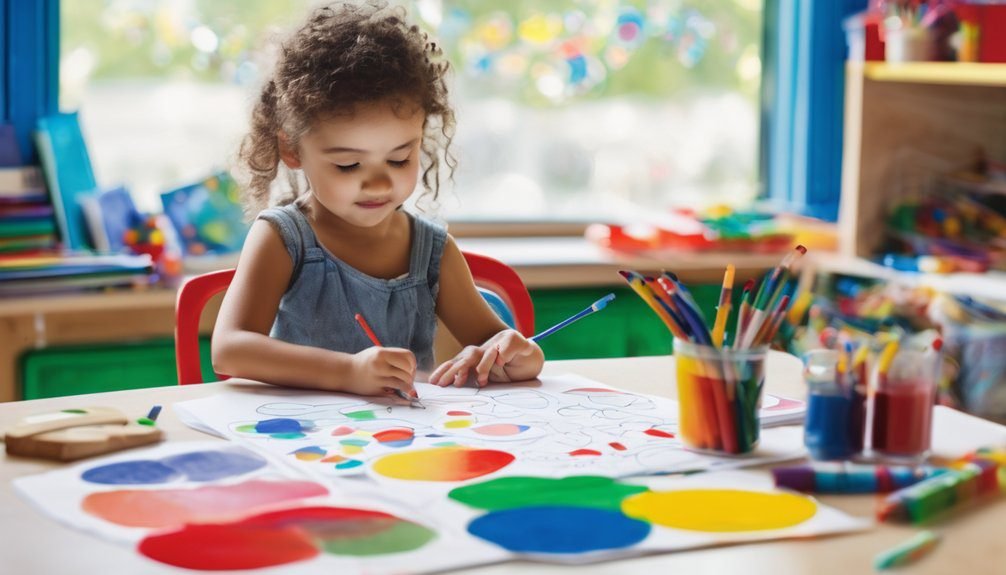
Coloring can teach your child to recognize basic colors like red, blue, and yellow while also introducing simple shapes such as circles, squares, and triangles. You can point out how each shade feels different and invite your child to name it aloud, building confidence with color symbolism.
As you color together, you also guide shape recognition by noticing edges, corners, and curves. A crayon’s red apple, a blue sky, or a yellow sun gives your child clear visual examples to remember. You don’t need to rush; gentle repetition helps these ideas stick.
When you sit close and talk about what you see, you create a warm learning moment that feels playful, supportive, and easy for your child to enjoy and remember.
How Coloring Supports Early Learning Skills
As your child fills in pictures, they’re quietly building important early learning skills like focus, hand-eye coordination, and problem-solving. You also help strengthen color recognition and shape differentiation as they choose crayons and stay within outlines.

This kind of activity supports cognitive development by asking them to notice details, make choices, and complete a task. With every stroke, motor coordination improves, and visual perception becomes sharper.
Coloring also encourages focus enhancement, since your child learns to pause, look closely, and stay with one image. It gives room for creative expression and emotional expression, too, because feelings can come out through color and design.
When you color together, you can even invite social interaction and build spatial awareness naturally, making learning feel warm and connected.
How Coloring Helps Children Match Colors
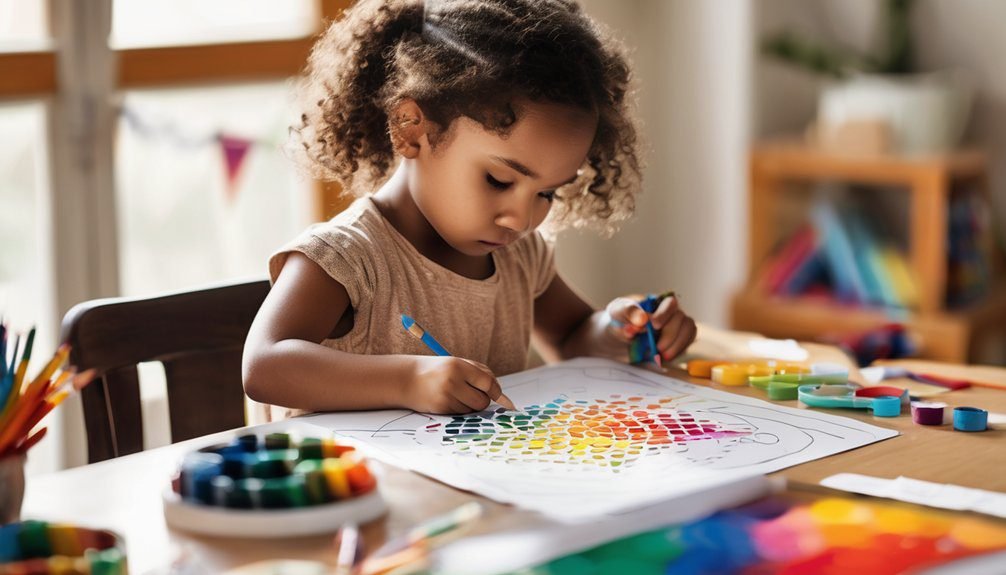
When your child sorts crayons and picks matching shades for each part of a picture, they’re practicing color matching in a simple, hands-on way. You can guide them to notice how red, blue, and yellow stay consistent across different pages, which strengthens color recognition.
As they choose a crayon, they compare, decide, and correct themselves, building confidence with every try.
- Point to a color and ask your child to find it.
- Offer two similar shades and let them choose.
- Name colors aloud while they color.
- Celebrate effort, not just perfect matches.
These small moments help your child connect what they see with what they name. You’re giving them a warm, supportive space to learn, and that steady practice makes color skills easier to remember and use.
How Coloring Helps Children Recognize Shapes
While your child colors inside a circle, square, or triangle, they begin to notice how each shape has its own edges, corners, and outline. You help them build shape identification by naming what they see as they move their crayon across the page.
This simple act strengthens visual recognition, because your child connects the picture in front of them with the shape’s name. As they color, they compare curves, straight lines, and points, which makes each form easier to remember.
You’re giving them gentle practice that supports early learning without pressure. Over time, your child can spot familiar shapes more quickly in books, toys, and everyday spaces, and that confidence grows with every page they finish.
Choose Age-Appropriate Coloring Activities

Choosing coloring activities that match your child’s age helps them stay interested and feel successful. You can pick coloring books with large outlines for toddlers, then move toward more detailed pages as their skills grow. This supports color recognition, shape identification, and cognitive growth while keeping creative expression joyful.
Your child learns best when the task feels just right, because it invites artistic development without frustration.
- Start with simple shapes and bold images.
- Offer pages that support sensory exploration.
- Choose themes that spark imaginative play.
- Match challenge level to build confidence.
When you guide choices gently, you nurture learning and connection at the same time. Age-appropriate coloring gives your child room to explore, practice, and shine with ease.
How to Use Crayons, Markers, and Pencils
After you’ve matched coloring pages to your child’s age, the next step is helping them use the tools with confidence. You can show your child how crayons make broad, gentle strokes, while markers create bold lines and pencils offer finer control.
These coloring techniques help little hands practice pressure, grip, and coordination. Invite your child to hold each tool, notice how it feels, and choose the one that suits the page. You don’t need to correct every mark; instead, guide with calm encouragement and model simple movements.
When you praise effort, you support creative expression and help your child feel safe exploring color. Over time, they’ll gain control, confidence, and a stronger connection between what they imagine and what they draw.
Try Color-Matching Games During Coloring Time
You can turn coloring into a simple matching game by asking your child to find crayons, markers, or pencils that match the colors in the picture. This builds color recognition while keeping the activity fun and warm. You might say, “Can you spot the same blue?” or “Show me something red.” Keep your tone encouraging, so your child feels proud of each choice.
- Match one color at a time.
- Name colors as your child picks them.
- Let your child sort tools by color first.
- Try game variations, like timing or turn-taking.
These small challenges help your child notice details, remember color names, and stay engaged. When you play together, you support learning in a gentle way that feels personal, playful, and reassuring.
Add Shape Hunts to Coloring Time
As your child colors, invite them to hunt for shapes in the picture, such as circles, squares, triangles, or rectangles. You can point to each one and ask them to name it, trace it with a finger, or match it to shapes they know from home.
This simple game supports shape recognition while keeping coloring playful and relaxed. You’re also giving your child a chance for creative exploration, because they’ll notice how shapes build objects, animals, and scenes.
If they miss one, gently guide them back with a smile and a hint. Over time, these shape hunts help your child look more carefully, think more confidently, and connect what they see to what they learn.
Build Fine Motor Skills Through Coloring
Coloring does more than spark creativity; it also gives your child’s hands a workout. You help build fine motor control as they grip crayons, stay inside lines, and guide each stroke with purpose. This practice supports hand eye coordination and turns artistic expression into creative exploration.
- tiny wrist turns strengthen control
- color mixing invites problem solving
- texture awareness grows with different paper
- focus development and patience building happen naturally
When you sit beside your child, you can notice how each page asks for careful pressure, steady movement, and gentle correction.
These small actions matter. They prepare little hands for writing, buttoning, and other daily tasks while keeping the experience warm, playful, and confidence-building.
Make Coloring a Daily Learning Habit
Adding coloring to your child’s routine can turn a simple activity into a steady learning habit. You can set aside a few minutes each day, after breakfast or before bed, so coloring feels predictable and comforting.
These coloring routines help your child practice colors, shapes, and focus without pressure. When you sit nearby, ask gentle questions: “What shape is this?” or “Which color will you choose?” That small talk strengthens learning and connection.
Keep crayons, paper, and books easy to reach so your child can return to creative expression anytime. Consistency matters more than perfection, so celebrate effort and curiosity.
Over time, daily coloring can build confidence, reinforce skills, and make learning feel warm, natural, and fun.
Frequently Asked Questions
Can Coloring Help Children Learn Color Words in Different Languages?
Yes, you can use coloring to teach children color words in different languages, because color associations strengthen language development. You’ll help them connect words, pictures, and feelings, making learning playful, intimate, and memorable.
Does Coloring Improve Children’s Ability to Follow Directions?
Yes—you can use coloring to support following directions. It helps by enhancing focus and encouraging you to listen, pause, and complete steps in order. You’ll build confidence, attention, and calm self-control while you color.
How Can Parents Encourage Creative Color Choices During Coloring?
You can spark creative expression by offering surprises—new crayons, open-ended prompts, and no “right” colors. Let your child try color exploration freely, praise bold choices, and ask what story those shades tell.
What Should I Do if a Child Loses Interest in Coloring Quickly?
Try shorter sessions, offer coloring alternatives like stickers or blocks, and use gentle motivation strategies such as praise, choices, and shared play. You’ll help your child stay engaged without pressure or frustration.
Can Coloring Support Children Who Learn Best Through Hands-On Activities?
Absolutely—coloring can be right up your alley for hands on learning. You’ll support sensory exploration through crayons, paper, and movement, helping children build skills, stay engaged, and learn joyfully through touch and creativity.
Conclusion
When you color with your child, you’re doing more than filling in pictures—you’re opening a door to learning. Crayon by crayon, they can spot colors, name shapes, and build the small hand muscles they’ll use every day. Keep it simple, fun, and regular, and you’ll turn coloring time into a bright bridge between play and learning. Like a steady drumbeat, these little moments help skills grow, one cheerful stroke at a time.