
Coloring isn’t just a fun activity; it can actually enhance your child’s learning experience. By associating colors with letters and numbers, your child can create strong visual connections that boost memory retention. This method actively engages them in the learning process, making it more enjoyable. Curious about how these artistic activities can improve fine motor skills and creativity while teaching essential concepts? Let’s explore the ways coloring can transform learning.
Key Takeaways
- Coloring enhances color recognition, making learning letters and numbers more engaging and memorable for children.
- Associating colors with specific letters or numbers reinforces understanding and recall, such as red for ‘A’ (apple).
- Coloring activities strengthen fine motor skills essential for writing, improving grip and hand-eye coordination.
- Engaging in coloring shapes aids children in recognizing and differentiating geometric forms, laying a foundation for math skills.
- Incorporating themed coloring sessions encourages active participation and verbal identification of letters and numbers during the learning process.
The Connection Between Coloring and Cognitive Development

Although you might think of coloring as just a fun pastime, it plays a crucial role in cognitive development. When kids color, they engage their brains in ways that promote learning.
For instance, selecting colors and deciding where to apply them helps strengthen their decision-making skills. As they concentrate on staying within the lines, they enhance their focus and attention span.
Coloring also encourages creativity, allowing children to express their thoughts visually, which can improve their problem-solving abilities. Additionally, when they use different colors for letters and numbers, it creates associations that reinforce their understanding of these concepts.
Enhancing Fine Motor Skills Through Coloring Activities
Coloring activities not only boost cognitive development but also play a significant role in enhancing fine motor skills. As your child grips crayons or markers, they’re engaging muscles in their hands and fingers, which is crucial for tasks like writing and buttoning clothes.

Coloring not only stimulates cognitive growth but also strengthens fine motor skills essential for everyday tasks.
These activities require precise movements and hand-eye coordination, fostering better control over their motor skills.
Here are some benefits of coloring for fine motor skill development:
- Grip Strength: Holding crayons improves grip, important for writing.
- Coordination: Navigating within lines enhances hand-eye coordination.
- Dexterity: Frequent coloring builds finger dexterity for more complex tasks.
- Focus: Concentrating on coloring helps develop sustained attention and control.
Encouraging regular coloring sessions will support your child’s fine motor skill growth effectively.
The Role of Color Recognition in Learning Letters
When kids can recognize colors, it enhances their ability to learn letters more effectively. Associating colors with letters makes learning more engaging and memorable. For example, you might use a red apple to represent the letter ‘A’ or a blue ball for ‘B’. This visual connection helps solidify their understanding and recall of letters.
Here’s a simple table that illustrates some color-letter associations:
| Color | Letter | Example Item |
|---|---|---|
| Red | A | Apple |
| Blue | B | Ball |
| Green | C | Carrot |
Associating Shapes With Numbers in Coloring Exercises
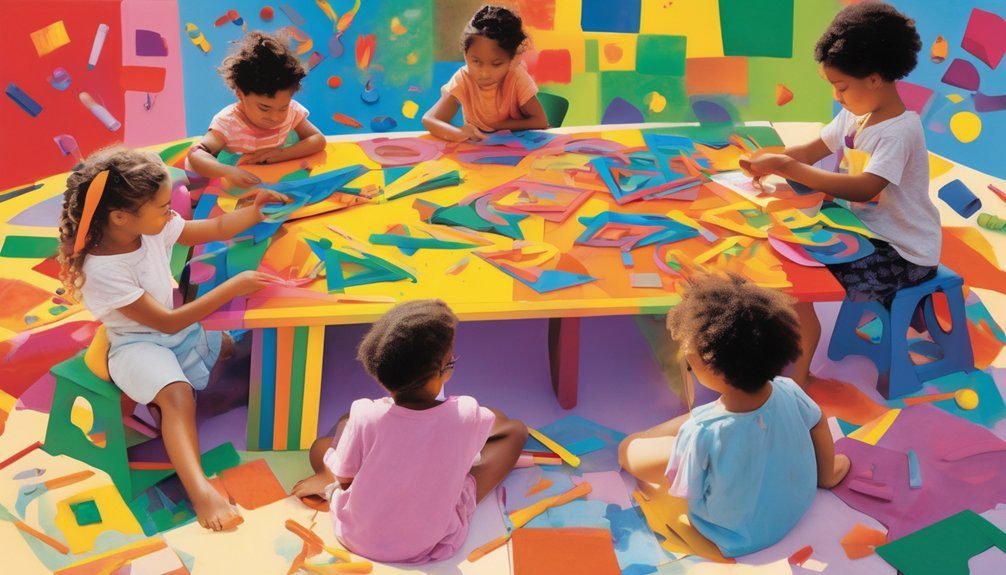
Shapes play a crucial role in helping kids grasp numbers during coloring exercises. When children connect shapes with numbers, they create a stronger understanding of both concepts.
For instance, coloring activities that incorporate geometric shapes can enhance number recognition and counting skills. Here’s how you can make the most of these exercises:
- Circle for Zero: Associate the round shape with the number zero.
- Triangle for Three: Use a triangle and emphasize its three corners.
- Square for Four: Connect the four sides of a square to the number four.
- Rectangle for Six: Relate the rectangle’s four corners and two pairs of equal sides to the number six.
The Benefits of Coloring for Visual Learning
One significant advantage of coloring for visual learning is its ability to engage children’s creativity while reinforcing essential concepts. When kids color, they actively participate in their learning process, making it more memorable.
You’ll notice that as they choose colors, they develop an understanding of shapes, patterns, and even spatial relationships. This hands-on activity helps them visualize letters and numbers, solidifying their grasp of these foundational skills.
Additionally, coloring enhances fine motor skills, crucial for writing later on. By associating colors with specific letters or numbers, you’re helping them create mental connections that improve recall.
Encouraging Creativity While Learning the Alphabet
Coloring can be a fantastic way to encourage creativity while learning the alphabet, as it allows children to express themselves freely.
When kids engage with letters through coloring, they’re not just memorizing shapes; they’re also exploring their artistic side.
Here are some ways to enhance creativity during this learning process:
- Choose vibrant colors: Encourage kids to use any colors they like, even unconventional ones.
- Incorporate themes: Let them color letters based on different themes, like animals or seasons.
- Create letter art: Suggest using letters as a canvas for their drawings or designs.
- Add personal touches: Allow them to decorate letters with stickers or patterns that represent their personality.
This approach makes learning fun and fosters a love for creativity!
Using Coloring to Build Early Math Skills
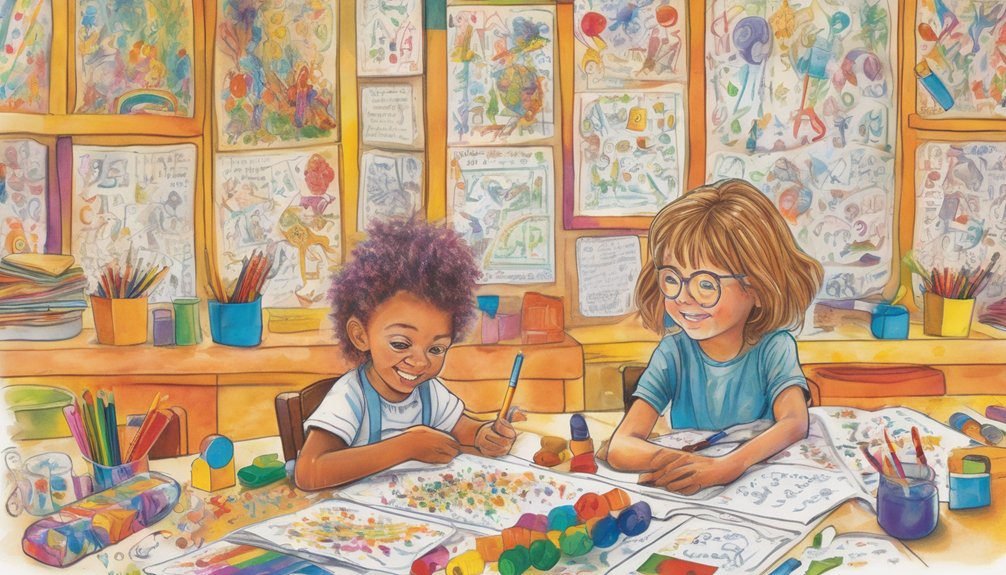
While many people think of coloring as purely an artistic activity, it can also be a powerful tool for building early math skills. When you give your child coloring pages that incorporate numbers and shapes, they engage with math concepts in a fun way.
For example, coloring different shapes can help them recognize and differentiate between circles, squares, and triangles. You can encourage counting by asking them to color a specific number of objects on the page. This hands-on approach makes learning math enjoyable and memorable.
Additionally, mixing colors can introduce concepts like addition and subtraction, as they combine different hues. Overall, integrating coloring with math activities lays a strong foundation for your child’s future learning.
How Group Coloring Activities Foster Social Skills
Engaging in group coloring activities can significantly enhance children’s social skills, as they collaborate and communicate with their peers. By working together, kids learn to share ideas, respect others’ opinions, and practice teamwork.
These interactions help build essential skills that will benefit them throughout life.
- Communication: Kids express their thoughts and listen to others.
- Cooperation: They learn to work towards a common goal.
- Conflict Resolution: Disagreements may arise, teaching them how to find solutions.
- Empathy: They become more aware of their friends’ feelings and perspectives.
Through group coloring, children not only enhance their creativity but also develop vital social skills that foster lasting friendships and teamwork abilities.
Tips for Parents to Incorporate Coloring Into Learning
To make learning letters and numbers enjoyable, parents can seamlessly incorporate coloring into everyday activities. Start by providing your child with coloring books that feature letters and numbers. When your child colors, encourage them to say the letters or numbers aloud.
Try creating worksheets with outlined letters that they can color in, reinforcing recognition. Use everyday objects, like signage or packaging, and ask your child to color them while identifying the letters or numbers.
Set aside time for themed coloring sessions, like using colors to represent specific letters or numbers. Finally, celebrate their creations by displaying them around the house, creating a sense of pride and accomplishment in both their art and learning.
Frequently Asked Questions
Can Coloring Help Improve a Child’s Focus and Attention Span?
Yes, coloring can significantly improve your child’s focus and attention span. As they engage in this activity, they practice concentration, which helps them stay on task and develop better self-regulation skills over time.
What Age Is Appropriate to Start Coloring for Educational Purposes?
You can start introducing coloring for educational purposes as early as 18 months, when studies show kids who color regularly develop fine motor skills 30% faster. Engaging them early sets a solid foundation for future learning.
How Often Should Kids Engage in Coloring Activities for Maximum Benefit?
You should encourage kids to engage in coloring activities several times a week. Consistent practice enhances their motor skills and creativity, making learning more enjoyable and effective. Balance sessions with other educational activities for best results.
Are There Specific Coloring Books That Are Better for Learning Letters and Numbers?
Think of coloring books as treasure maps guiding your child’s learning journey. Look for those specifically designed for letters and numbers that feature engaging illustrations and activities, keeping their curiosity alive while sharpening essential skills.
Can Coloring Be Used to Teach Other Subjects Beyond Letters and Numbers?
Absolutely! You can use coloring to teach subjects like science, geography, or art. By incorporating relevant images and themes, you’ll engage creativity while reinforcing concepts, making learning more enjoyable and effective for kids.
Conclusion
Incorporating coloring into your child’s learning routine can transform the way they grasp letters and numbers, just like a wizard casting spells to bring stories to life. By blending creativity with education, you’re not only enhancing their cognitive skills but also making the process enjoyable. So, grab those crayons and let your little ones color their way to literacy and numeracy, building a vibrant foundation for their future learning adventures!