
Coloring can be a delightful escape for kids, allowing them to express their creativity and unwind. But how long should they really spend on this activity each day? The answer varies based on their age and interests. Understanding the right duration not only keeps them engaged but also supports their development. Let’s explore the recommended times for different age groups and what factors might influence these sessions.
Key Takeaways
- Toddlers (2-3 years) should color for 15 to 20 minutes daily to match their attention span.
- Preschoolers (4-5 years) benefit from about 30 minutes of coloring time each day.
- Kids aged 6-8 can engage in coloring for 30 to 45 minutes for optimal development.
- Children 9 years and older can color for up to an hour or longer, depending on interest.
- Always adjust coloring durations based on the child’s enthusiasm, energy levels, and design complexity.
The Benefits of Coloring for Children

Coloring sparks creativity in children, fostering their imagination and self-expression. When kids pick up a crayon or marker, they dive into a world where anything is possible. This activity not only entertains but also develops fine motor skills, helping them control their hand movements as they color within or outside the lines.
Additionally, coloring encourages focus and concentration, allowing them to immerse themselves in their artwork. It’s a stress-reliever, providing a calming effect that can soothe anxiety or restlessness. As they choose colors and create scenes, children learn decision-making and problem-solving skills.
Recommended Coloring Time by Age Group
As children engage in the creative process of coloring, it’s important to consider how much time they should spend on this activity based on their age.

For toddlers aged 2 to 3 years, 15 to 20 minutes is a great starting point, as their attention spans are still developing.
Preschoolers, aged 4 to 5, can handle about 30 minutes, allowing them to explore and express themselves creatively.
For kids aged 6 to 8, aim for 30 to 45 minutes, as they become more focused and detail-oriented.
Finally, children aged 9 and older can enjoy coloring sessions lasting up to an hour, or even longer, as their skills and interests deepen.
Adjust these times based on your child’s enthusiasm and energy levels!
Factors Influencing Coloring Duration
While each child’s interest in coloring can vary, several factors influence how long they stay engaged in the activity. These factors can include age, attention span, and the complexity of the coloring materials. When you consider these elements, you can tailor the experience to suit your child’s needs, keeping them engaged longer.
| Factor | Influence on Duration |
|---|---|
| Age | Younger kids color less time |
| Attention Span | Shorter spans mean quicker breaks |
| Complexity of Designs | Simpler designs hold interest longer |
| Availability of Materials | More options encourage longer play |
| Social Environment | Coloring with others can extend duration |
Signs of Overstimulation in Coloring Activities
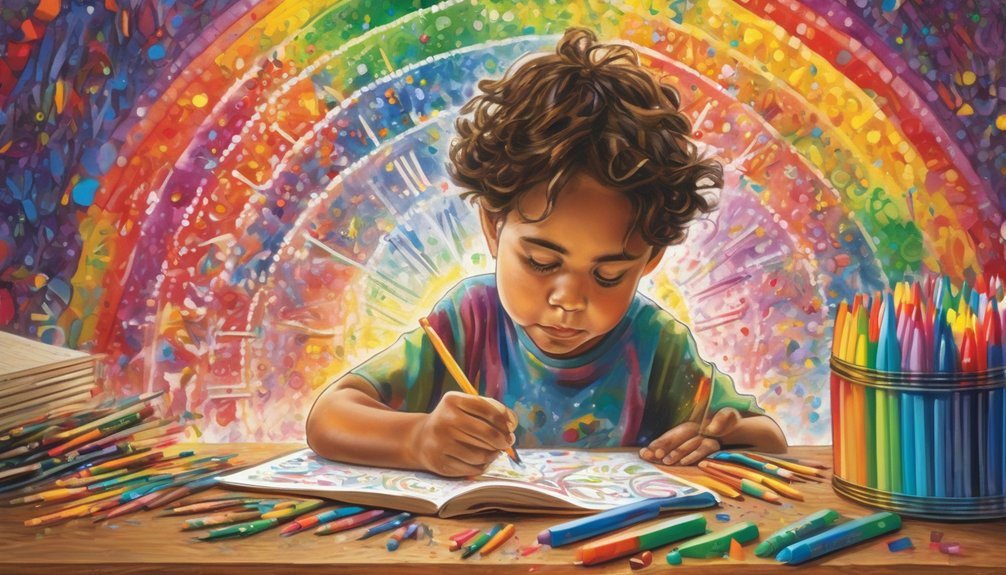
When a child begins to show signs of frustration or distraction during coloring, it may indicate overstimulation. Recognizing these signs can help you adjust their coloring time and keep the activity enjoyable.
Here are three key indicators to watch for:
- Lack of Focus: If your child keeps wandering off or can’t stay on the same page, it might be a sign they need a break.
- Tension in Their Body: Notice if they’re gripping the coloring tools tightly or fidgeting; this can suggest they’re feeling overwhelmed.
- Irritability: If they become easily upset or lash out when coloring, it’s time to step back and reassess the situation.
Encouraging Healthy Coloring Habits
To foster a love for coloring, it’s essential to create a positive and supportive environment. Make sure your kid has a dedicated space with good lighting and comfortable seating.
Stock up on a variety of coloring materials—colored pencils, markers, and crayons—so they can explore different techniques and styles. Encourage them to express their creativity without worrying about staying inside the lines.
Set a regular coloring time each day, but keep it flexible to avoid pressure. Join them occasionally; your enthusiasm can inspire them.
Celebrate their efforts by displaying their artwork around the house. Most importantly, listen to their thoughts about coloring to better understand what they enjoy and how you can support their artistic journey.
Alternatives to Coloring for Creative Expression
Creative expression goes beyond coloring, and there are plenty of engaging alternatives to explore.
Encouraging your kids to try different activities can ignite their imagination and boost their creativity. Here are three fun alternatives:
Encouraging kids to explore diverse activities can spark their imagination and enhance their creative abilities.
- Drawing or Painting: Provide them with paper and paints or colored pencils. Let them create whatever comes to mind, fostering free expression.
- Crafting: Gather materials like cardboard, scissors, and glue. Encourage your kids to construct models or collages, allowing them to explore textures and shapes.
- Storytelling: Help them write their own stories or create comic strips. This activity can enhance their narrative skills while letting their imagination run wild.
Frequently Asked Questions
Can Coloring Improve Fine Motor Skills in Children?
Yes, coloring can definitely improve fine motor skills in children. It helps them practice grip, control, and hand-eye coordination. You’ll notice their dexterity improving as they regularly engage in this creative activity.
What Materials Are Best for Young Children to Color With?
Crayons, washable markers, and colored pencils are best for young children. They’re easy to grip and less messy, letting kids explore their creativity safely. Always choose non-toxic options to ensure their safety while coloring.
Is It Normal for Kids to Prefer Certain Colors?
Absolutely! Kids often gravitate toward specific colors, just like bees to flowers. This preference reflects their personality and mood. It’s perfectly normal, so encourage their choices—it’s a fun way for them to express themselves!
How Can Parents Organize Coloring Supplies Effectively?
To organize coloring supplies effectively, you can use labeled bins for crayons, markers, and papers. Keep frequently used items within reach and rotate supplies periodically to maintain your child’s interest and creativity in coloring.
Are There Specific Coloring Books That Promote Learning?
Yes, there are specific coloring books that promote learning, like those featuring letters, numbers, or shapes. Look for books that encourage creativity, engage problem-solving skills, and enhance fine motor skills to enrich your child’s development.
Conclusion
Incorporating regular coloring sessions into your child’s routine can spark creativity and enhance fine motor skills. Remember, it’s not just about the time spent coloring; it’s about the joy and engagement it brings. Like the ancient artists who painted their stories on cave walls, you’re helping your child express themselves in a unique way. Keep an eye on their energy levels, and let their passion guide the duration, ensuring a fun and fulfilling experience every time.