
Coloring might seem like a simple activity, but it can be a powerful tool for enhancing your art skills. By experimenting with different techniques and materials, you can discover new ways to express yourself. Plus, understanding color theory can elevate your artwork significantly. As you explore these aspects, you’ll find that coloring also promotes focus and mindfulness. Ready to uncover how these elements can transform your artistic journey?
Key Takeaways
- Experiment with different coloring tools to enhance control and explore unique artistic styles.
- Practice blending and shading techniques to create depth and texture in artwork.
- Engage in mindful coloring sessions to improve focus and relieve stress while enhancing creativity.
- Study color theory by using complementary and analogous colors to understand their impact on composition.
- Dedicate regular time to coloring to develop patience, attention to detail, and artistic skills.
The Importance of Coloring for Young Artists
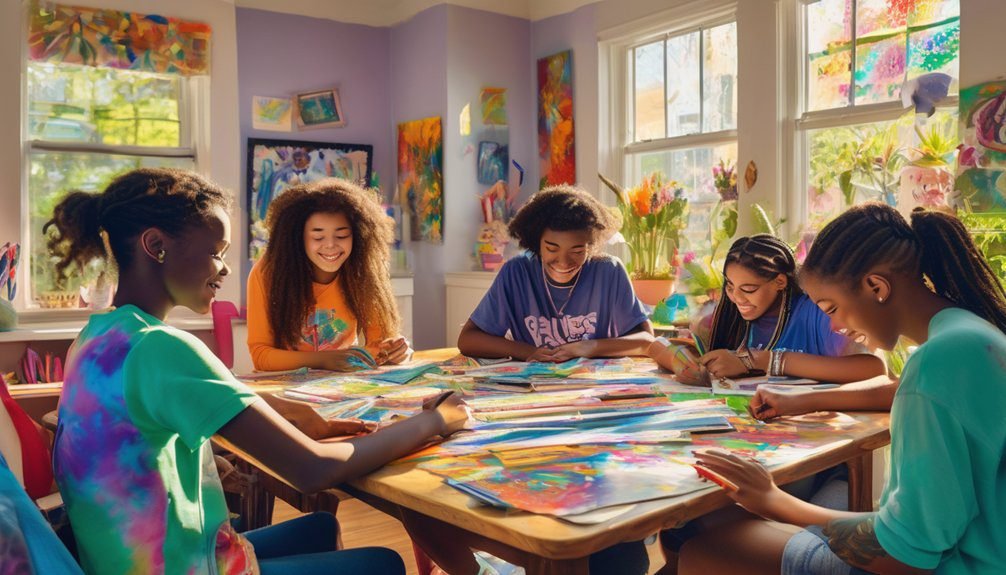
Coloring isn’t just a fun activity for young artists; it’s a vital tool for developing essential skills. When you pick up those crayons or colored pencils, you’re not just filling in shapes; you’re enhancing your hand-eye coordination and fine motor skills. Each stroke helps you gain control over your tools, making it easier to express your creativity.
Plus, coloring encourages focus and concentration, allowing you to immerse yourself in the moment. You’ll learn to make decisions about color and composition, fostering your artistic vision. As you explore different techniques, you’ll discover your unique style.
Techniques to Enhance Skills Through Coloring
While you might think of coloring as a simple pastime, it can actually serve as a powerful way to enhance your artistic skills. To get the most out of your coloring sessions, try using different coloring techniques.

Experiment with shading by applying varying pressure on your coloring tool; this’ll help you understand light and depth. You can also practice blending colors by layering hues, creating smooth transitions that mimic real-life objects.
Don’t hesitate to use different materials like colored pencils, markers, or watercolors to expand your skills. Additionally, challenge yourself with intricate designs that require focus and patience.
Exploring Color Theory in Coloring Activities
Understanding how to use color effectively can significantly elevate your coloring experience. Start by grasping the basics of color theory, which includes primary, secondary, and tertiary colors.
Experiment with complementary colors to create striking contrasts, or try analogous colors for a harmonious look. When you mix colors, pay attention to how they interact; some combinations can evoke specific moods or feelings.
You can also explore warm and cool colors to set the tone of your artwork. Warm colors like reds and yellows can create energy, while cool colors like blues and greens can bring calmness.
Developing Focus and Mindfulness With Coloring

Artistic expression through coloring can be a powerful tool for developing focus and mindfulness. When you immerse yourself in coloring, you engage your mind fully in the present moment. The repetitive motion of filling in shapes with color can quiet racing thoughts and help you concentrate better.
As you select colors and apply them to your artwork, you train your brain to focus on details, enhancing your attention span.
Moreover, the act of coloring can serve as a form of meditation. You’ll find that concentrating on the patterns and colors allows you to let go of stress and distractions.
This practice not only improves your art skills but also fosters a sense of calm and clarity, making it easier to tackle challenges in other areas of your life.
Using Coloring as a Springboard for Creativity
Coloring not only sharpens your focus and mindfulness but also sparks creativity in unexpected ways. As you fill in colors, you might find your imagination wandering, leading to unique ideas for your art projects. Try using different coloring techniques to inspire your own style. Below is a table that highlights various methods you can experiment with:
| Technique | Description | Creative Outcome |
|---|---|---|
| Blending | Mix colors for gradients | Smooth transitions |
| Cross-hatching | Layer lines to create depth | Textured effects |
| Stippling | Use dots for shading | Unique patterns |
| Color Blocking | Bold sections of solid colors | Eye-catching designs |
Incorporating Coloring Into Regular Art Practice
While you may think of coloring as a simple pastime, integrating it into your regular art practice can enhance your skills and broaden your creative horizons.
Start by setting aside dedicated time each week for coloring. Choose a variety of coloring books or print your own designs to keep things fresh. Experiment with different mediums, like colored pencils, markers, or watercolors, to understand how each behaves.
Try mixing colors and playing with shading techniques to develop your eye for detail. Use your coloring sessions to unwind and let go of perfectionism, allowing your creativity to flow freely.
As you color, pay attention to your choices and think about how you can incorporate those ideas into your original artwork.
Frequently Asked Questions
What Are the Best Coloring Books for Teens?
The best coloring books for teens include intricate designs like “Lost Ocean” by Johanna Basford, “Secret Garden,” and adult-themed mandalas. These options spark creativity, provide relaxation, and allow you to explore your artistic side easily.
How Often Should Teens Practice Coloring?
You should practice coloring at least three to four times a week. Consistent practice helps you develop your skills, experiment with techniques, and explore your creativity, making each session more enjoyable and rewarding.
Can Digital Coloring Apps Improve Skills?
Studies show that using digital coloring apps can enhance your skills significantly. You’ll experience improved color theory understanding and better precision. Plus, the instant feedback helps you learn and adapt your techniques quickly. Dive in!
What Materials Are Best for Coloring?
For coloring, you’ll want high-quality colored pencils, markers, or watercolors. Each material offers unique textures and effects. Experiment with different tools to discover what you enjoy most and what enhances your artistic expression.
How Do I Choose Colors for My Artwork?
To choose colors for your artwork, consider the mood you want to convey. Experiment with color combinations, use a color wheel for guidance, and trust your instincts to create a visually appealing palette that resonates.
Conclusion
So, if you thought coloring was just kid stuff, think again! Embrace those crayons and markers like they’re your ticket to the art world. Who knew that doodling could turn you into the next Picasso? Let’s face it, you could be spending that time scrolling through social media, but instead, you’re crafting masterpieces. So grab that coloring book, channel your inner artist, and remember: every stroke is a step closer to fame—or at least a really impressive Instagram post!