
Adding texture and detail to coloring pages can transform a simple image into a captivating work of art. By choosing the right tools and techniques, you can enhance your pages in ways that catch the eye and engage the imagination. Whether you’re layering colors or incorporating unique patterns, there’s a variety of methods to explore. Let’s uncover some effective strategies to elevate your coloring experience and bring your creations to life.
Key Takeaways
- Use colored pencils for fine details and subtle textures in your coloring pages.
- Experiment with layering colors to create depth using base, shadow, and highlight shades.
- Incorporate various patterns and designs to add visual interest and contrast throughout the artwork.
- Utilize stippling techniques with dots to enhance depth and texture in specific areas.
- Try watercolor techniques to achieve smooth blends and rich textures for a dynamic look.
Choosing the Right Tools for Texture
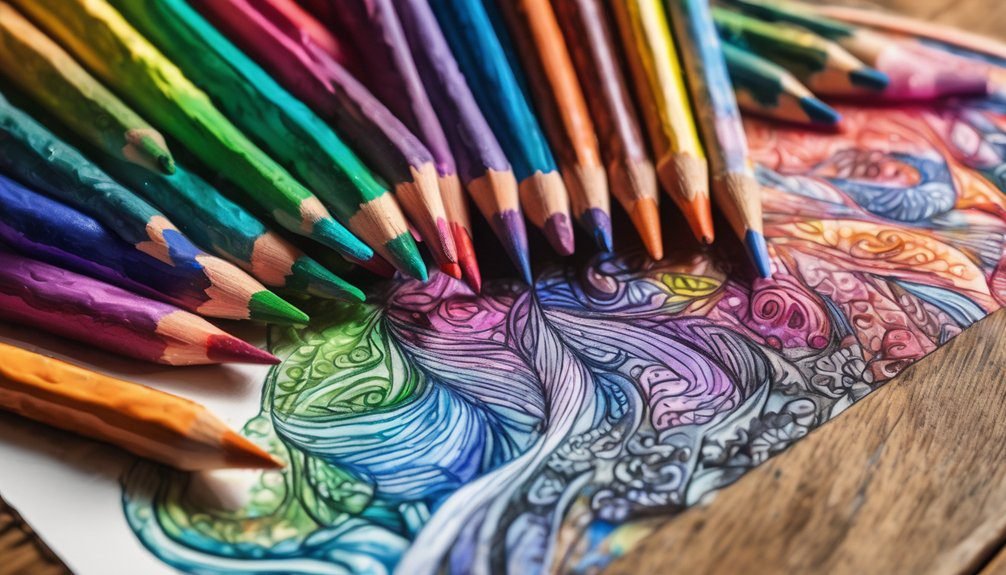
When it comes to adding texture to your coloring pages, choosing the right tools can make all the difference. You’ll want to explore a variety of mediums to find what works best for you.
Colored pencils offer precision, allowing you to create fine details and subtle textures. Markers provide bold, vibrant colors but can sometimes create a flat look. If you’re aiming for a softer finish, pastels or chalk can add a lovely blend of texture.
Don’t forget about gel pens, which can give a shiny effect and unique patterns. Experimenting with these tools will help you discover how each one contributes to the overall texture of your art.
Layering Colors for Depth
To create depth in your coloring pages, layering colors is essential. Start with a base color, filling in your area evenly.

Once that’s done, choose a darker shade of the same color and lightly apply it in areas where shadows would naturally fall. This contrast adds dimension and interest.
Don’t hesitate to experiment with blending techniques. Use a blending tool or your finger to mix the colors for a smoother transition. You can also incorporate lighter shades on top for highlights, enhancing the overall effect.
Remember, building layers gradually allows for more control, so take your time.
Incorporating Patterns and Designs
Layering colors adds depth, but incorporating patterns and designs can elevate your coloring pages even further.
Start by adding stripes, polka dots, or floral motifs to different sections of your artwork. You can mix geometric shapes within larger areas, creating a playful contrast.
Incorporate stripes, polka dots, or floral motifs to enhance your artwork with playful contrasts and visual interest.
Experiment with varying sizes and styles of patterns to maintain visual interest. Don’t shy away from combining intricate designs with simpler ones; this balance enhances the overall composition.
Use light and dark shades to bring out the patterns, making them pop against the background. Remember, the key is to create harmony while keeping your unique style.
Using Stippling and Dots
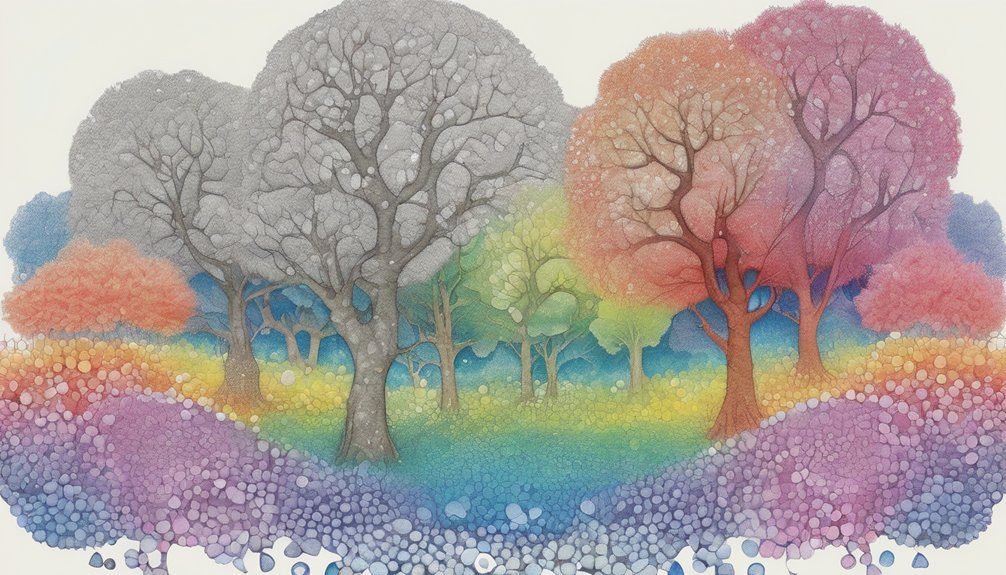
Stippling and dot techniques can add a unique flair to your coloring pages. By using small dots or clusters of dots, you can create depth and texture that enhances your artwork.
Start by picking an area where you want to add some interest. Instead of filling it with solid color, use varying sizes of dots to create shadows or highlights. You can layer dots closer together for darker areas and spread them out for lighter tones.
This method not only engages your creativity but also gives your coloring page a more dynamic look. Don’t worry if it takes practice; each attempt adds to your skill.
Just have fun experimenting and see how stippling can transform your work!
Experimenting With Watercolor Techniques
After exploring stippling and dot techniques, it’s time to bring a different medium into your coloring experience: watercolors.
Watercolors can add a beautiful depth to your coloring pages. Start by wetting your brush before dipping it into the paint, allowing for a smooth application.
Experiment with wet-on-wet techniques, where you apply watercolors to damp paper for a soft blending effect. Alternatively, try wet-on-dry for sharper lines and more control.
Don’t hesitate to layer colors; this creates rich, vibrant textures. Keep a paper towel handy to absorb excess water or to lift color if needed.
Lastly, practice different brush strokes—like flicking or dabbing—to create unique textures. Enjoy the playful nature of watercolors as you transform your pages!
Adding Metallic and Glitter Elements
Adding metallic and glitter elements can elevate your coloring pages to a whole new level of creativity.
These shiny accents catch the light and add a dazzling effect, making your artwork pop. You can easily incorporate these elements in several ways:
- Use metallic gel pens for fine details.
- Apply glitter glue to specific areas for a textured finish.
- Experiment with metallic watercolors for vibrant backgrounds.
- Add foil sheets to enhance larger sections.
- Incorporate glittery stickers or embellishments for added dimension.
Mixing Media for Unique Effects
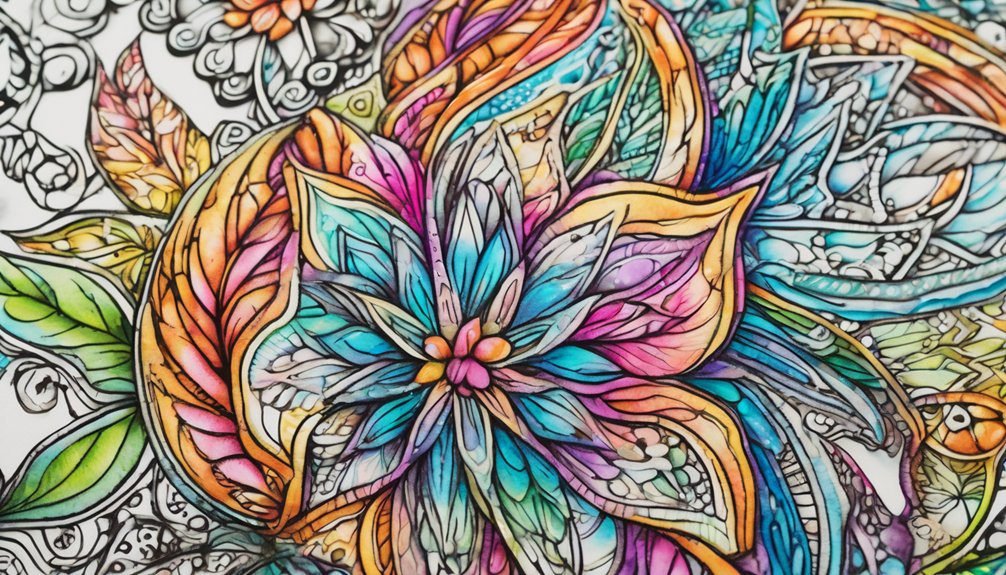
Incorporating metallic and glitter elements can serve as a springboard for even more creative possibilities, especially when you start mixing different media. By combining colored pencils with watercolors, you can create soft gradients and vibrant contrasts. Use pencils to add fine details over watercolors for a striking effect.
You can also pair markers with pastels—markers provide bold lines, while pastels add a lovely texture. Don’t hesitate to experiment! Try layering gel pens over colored pencils for added shine or using acrylic paints for bold areas.
Each medium has its unique properties that can interact in surprising ways. Mixing media not only enhances your artwork but also allows your creativity to shine, transforming standard coloring pages into extraordinary masterpieces.
Creating Shadows and Highlights
While you might think coloring pages are all about flat colors, creating shadows and highlights can add depth and dimension to your artwork. By incorporating these techniques, your pieces will feel more dynamic and lifelike.
Start by choosing a light source direction, then use darker shades on the opposite side to create shadows. For highlights, pick lighter colors or even white to emphasize raised areas.
Consider these tips for effective shadows and highlights:
- Use a gradient effect to transition between light and dark.
- Layer colors for more richness and texture.
- Experiment with blending tools like blending stumps or fingers.
- Vary pressure on your coloring tool to create depth.
- Incorporate cross-hatching for an artistic touch.
Personalizing Your Coloring Pages With Mixed Techniques
After mastering shadows and highlights, you can take your coloring pages to the next level by mixing techniques to create a truly personalized piece.
Start by combining colored pencils with markers; use markers for bold areas and pencils for finer details. Experiment with watercolor for backgrounds, allowing colors to blend seamlessly. You can also incorporate stencils or stamps for added patterns and textures.
Don’t hesitate to use different tools, like blending stumps or sponges, to achieve unique effects. Try layering colors in different orders to see what resonates with you.
Frequently Asked Questions
Can I Use Crayons for Adding Texture in Coloring Pages?
Yes, you can use crayons to add texture in coloring pages. Their waxy consistency allows for layering and blending. Experiment with pressure and strokes to create different effects and enhance your artwork’s depth and interest.
How Do I Fix Mistakes When Adding Texture?
You can fix mistakes by lightly erasing with an art eraser or using white gel pens to cover errors. If needed, blend colors to mask imperfections, ensuring your artwork maintains a cohesive look.
What Paper Texture Works Best for Coloring Pages?
For coloring pages, smooth, heavy-weight paper works best. It absorbs colors evenly and prevents bleed-through. If you’re using markers, consider a paper with a bit of texture for added character and depth in your artwork.
Are There Specific Colors That Enhance Texture Effects?
Yes, specific colors can enhance texture effects. For instance, using contrasting shades adds depth, while layering similar hues creates a richer look. Experiment with warm and cool tones to see which combinations work best for your project.
How Can I Blend Different Mediums Effectively?
To blend different mediums effectively, start with lighter layers and gradually add darker shades. Use tools like blending stumps or fingers for smooth transitions, and don’t hesitate to experiment until you achieve your desired effect.
Conclusion
By combining various techniques and tools, you can transform your coloring pages from simple outlines into vibrant works of art. Isn’t it amazing how a few layers of color and a sprinkle of creativity can breathe life into your designs? So grab your colored pencils, pastels, or even some glitter, and let your imagination run wild. Remember, every stroke adds personality to your masterpiece, making it uniquely yours. Happy coloring!