
You can build a screen-free activity bag that keeps children engaged without much fuss. Start with a few age-appropriate, mess-free choices like crayons, stickers, small puzzles, and a notebook, then add one comfort item and a book. Keep the bag organized so the easiest items are simple to grab. When you rotate a few activities now and then, the bag stays useful—and there’s one simple trick that makes it work even better.
Key Takeaways
- Pack creative supplies like crayons, small notebooks, stickers, and paper for independent, screen-free fun.
- Include quiet, age-appropriate activities such as puzzles, card games, lacing cards, or word searches.
- Add comfort items like a book, soft toy, and reusable water bottle for longer outings.
- Organize items in easy-open containers, with high-use materials at the front for quick access.
- Rotate contents regularly to keep the bag fresh, familiar, and engaging for your child.
What to Put in a Screen-Free Activity Bag?
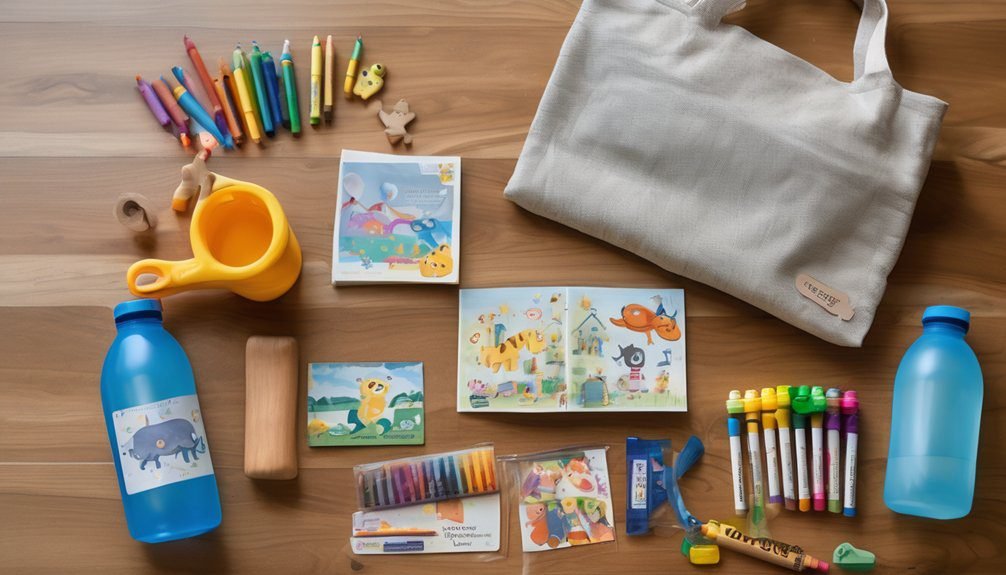
A well-stocked screen-free activity bag should include a mix of simple, engaging items that keep your child busy without needing much setup.
You can add creative materials like crayons, small notebooks, stickers, and a few sheets of paper so your child can draw, write, or decorate on the go.
Pack quiet games such as card matching, a mini puzzle, or travel-sized board games that fit easily in a pouch.

Slip in a reading book, a soft toy, and a reusable water bottle for comfort.
Choose items that match your child’s interests and can be used independently.
When you keep the bag light, familiar, and flexible, you make it easier for your child to stay settled, curious, and happily occupied wherever you are.
Pick Mess-Free Activities by Age
Pick mess-free activities that fit your child’s age and attention span so the bag feels fun, not frustrating. For toddlers, choose simple tasks like stacking cards, chunky puzzles, and peel-and-stick stickers.
Preschoolers often love age appropriate crafts such as coloring sheets, dot markers, and lacing cards that build fine motor skills without making a mess. Older children can handle word searches, mini journals, and quiet sensory play like fidget tools or texture cards.
You know your child best, so match the challenge to their current abilities, not their age alone. If an activity feels too hard, swap it out. When you choose familiar, low-stress options, your child can settle in, stay engaged, and feel proud of what they do.
Match the Bag to Where You’ll Use It
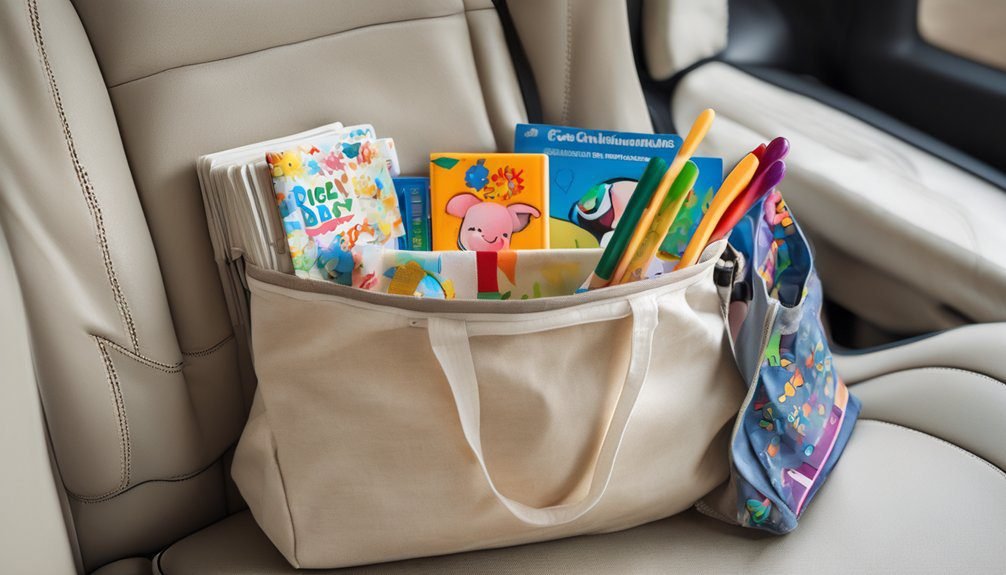
Where you plan to use the bag should shape what you put inside it, because a car ride, a waiting room, and a restaurant each call for different kinds of activities. You’ll feel calmer when your choices fit the moment.
| Place | Best fit |
|---|---|
| Car | quiet play |
| Waiting room | short tasks |
| Restaurant | lap-friendly fun |
| Outdoor adventures | sturdy picks |
| Travel essentials | compact favorites |
For longer trips, choose items that stay useful across stops and delays. For outdoor adventures, pack simple tools, crayons, and cards that handle movement. For travel essentials, keep favorites small, light, and easy to swap. When you match the bag to the setting, you support your child’s mood and your own peace. That little bit of planning helps you respond with warmth, not stress.
Organize Supplies for Easy Access
Once you’ve matched the bag to the place, organize it so you can grab what you need without digging. You’ll feel calmer when each item has a clear home, and your child will feel that ease too.
Use simple storage solutions like pouches, zipper bags, or small boxes to separate crayons, paper, and quiet toys. Keep labeling supplies handy so you can mark each section plainly and let everyone know where things belong.
- Put high-use items in front.
- Group similar supplies together.
- Choose sturdy, easy-open containers.
- Leave a little room for quick pickup.
When you set up the bag this way, you’re teaching your child how order supports independence. That gentle structure makes screen-free time feel inviting, not overwhelming, for both of you.
Keep the Activity Bag Rotating
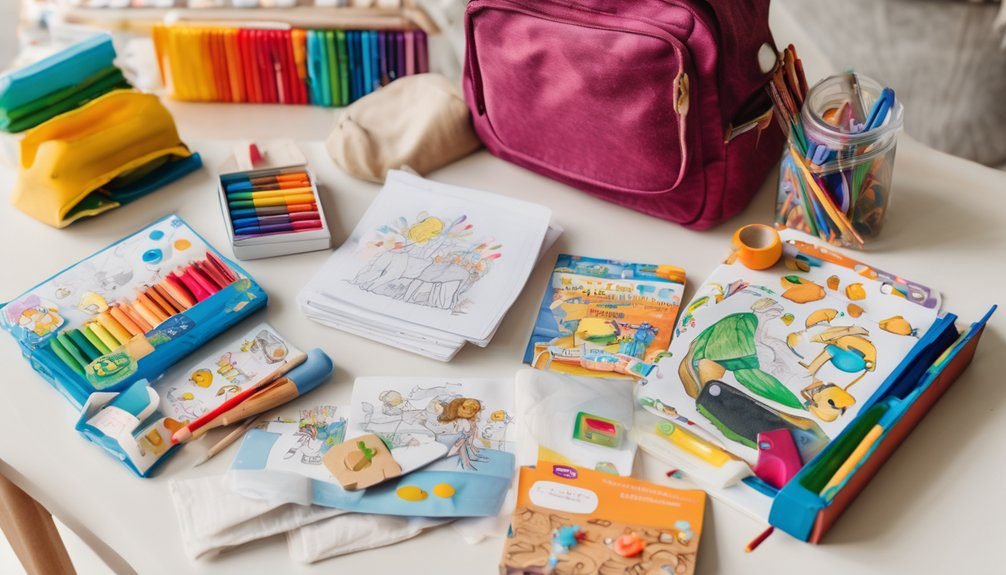
To keep the activity bag feeling fresh, rotate the contents every week or two so your child doesn’t lose interest.
You’ll notice that a simple activity rotation can renew curiosity and support longer, calmer play. Swap in a few items your child hasn’t seen lately, and tuck away pieces that are no longer drawing attention.
A simple rotation can renew curiosity and invite longer, calmer play.
This gives you bag variety without needing to buy anything new. As your child grows, their skills and interests will shift, so your bag can shift too.
Keep a small list of stored options nearby, and change things out during a quiet moment. That way, you’ll always have a ready bag that feels familiar, comforting, and just exciting enough to invite independent play.
Fun Screen-Free Activity Bag Ideas
You can fill a screen-free activity bag with simple items that invite hands-on play, such as crayons, paper, sticker books, mini puzzles, and a few small toys.
Choose pieces that match your child’s age and mood, so the bag feels comforting, not overwhelming.
Try these ideas:
- craft projects: add glue sticks, felt scraps, and child-safe scissors.
- sensory play: tuck in play dough, texture cards, or a small fidget.
- outdoor games: include chalk, a ball, or a scavenger-hunt card.
- travel activities: pack coloring sheets, wipe-clean boards, and reusable stickers.
You’ll make quiet moments easier, whether you’re at home, in the car, or waiting somewhere.
A well-loved bag gives your child familiar choices and helps them stay engaged with confidence.
Frequently Asked Questions
How Do I Keep Children Interested Without Screens for Long Trips?
You can keep children interested by rotating travel games, creative crafts, and surprise treats every hour. You’ll build anticipation, invite choice, and stay calm, so they feel connected, capable, and happily engaged on long trips.
What if My Child Refuses to Use the Activity Bag?
If your child refuses it, you can stay calm and offer engaging alternatives. You’re balancing freedom and structure, encouraging creativity with one tiny choice at a time, so they’ll often return, curious, without pressure.
How Can I Make a Screen-Free Bag on a Tight Budget?
You can make one affordably by using DIY materials like recycled paper, stickers, and crayons, then add budget friendly options from dollar stores. You’ll keep it fun, practical, and reassuring without spending much.
Are Screen-Free Activity Bags Suitable for Multiple Children?
Yes, you can use screen-free activity bags for multiple children when you include group activities and sharing games. You’ll encourage cooperation, reduce conflict, and keep things practical, cozy, and fun for everyone.
How Often Should I Replace Items in the Activity Bag?
You should replace items every few months, or sooner if they’re worn, boring, or no longer age appropriate. Item rotation keeps the bag feeling fresh, like opening a little treasure chest again.
Conclusion
You’re building more than a bag—you’re packing a little lantern for your child’s day. When you choose simple, mess-free activities, match them to the moment, and keep everything easy to reach, you help them travel through boredom with confidence. Rotate the treasures often, and the bag stays fresh, like a garden that keeps blooming. With a few thoughtful choices, you’ll create calm, joy, and independent play wherever you go.