
Like a painter before a blank canvas, you hold the power to unlock creativity in your child through screen-free coloring. Engaging in coloring activities not only nurtures artistic expression but also promotes essential skills. Imagine the calm that washes over them as they choose colors and create designs. What if you could explore various materials and techniques to enhance this experience even further? Let’s uncover the myriad ways to make coloring a rewarding adventure for kids.
Key Takeaways
- Encourage imaginative play by providing various coloring materials, fostering creativity and exploration without screens.
- Utilize coloring as a calming exercise to reduce anxiety and promote focus in children.
- Select age-appropriate coloring tools, ensuring they are non-toxic and safe for kids.
- Experiment with different coloring techniques like blending, stencils, and natural stamps for engaging activities.
- Display finished artwork creatively at home to boost children’s confidence and sense of accomplishment.
The Importance of Screen-Free Time
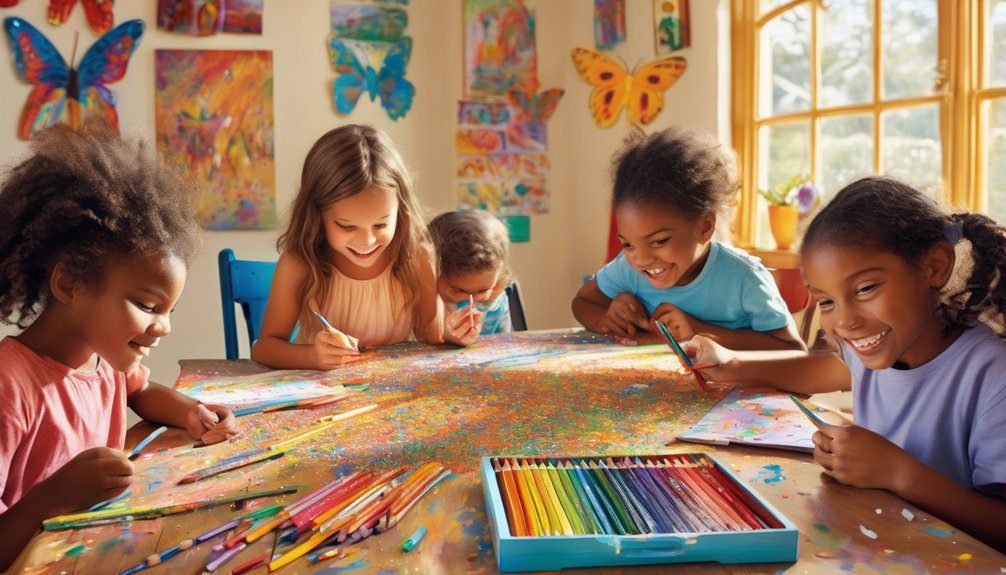
While screens can be engaging, it’s crucial for kids to have screen-free time to foster creativity and develop essential skills. When you set aside time for unplugged activities, you encourage imaginative play and exploration. Kids can dive into books, build with blocks, or create art without the distractions of screens.
These experiences help them think critically and solve problems, laying a foundation for lifelong learning.
Moreover, screen-free time promotes physical activity, allowing kids to run, jump, and play outside, which is vital for their health. You’ll notice they become more focused and less anxious when they take breaks from screens.

Benefits of Coloring for Kids
Coloring offers a fantastic way for kids to engage in screen-free activities that spark their creativity and boost their development. When your child colors, they’re not just having fun; they’re enhancing their fine motor skills, hand-eye coordination, and concentration.
This simple activity encourages self-expression, allowing kids to explore their emotions and ideas through color and design. Plus, coloring can be a calming exercise, helping to reduce stress and anxiety.
It also fosters a sense of accomplishment when they complete a piece of art. By providing a canvas for imagination, coloring nurtures problem-solving skills as kids decide on color choices and patterns.
Choosing the Right Coloring Materials
When selecting coloring materials, it’s essential to consider your child’s age and preferences to ensure a positive experience. For younger kids, opt for large crayons or washable markers that are easy to grip and handle. They’ll appreciate bright colors that spark their creativity.
As your child grows, introduce colored pencils or fine-tipped markers for more detailed artwork. Always check for non-toxic options, especially for younger children who might put things in their mouths.
Encourage your child to choose their favorite colors or themes, making the process more engaging. Don’t forget to provide a variety of paper types, from plain sheets to coloring books, to keep things interesting. The right materials can inspire hours of creative fun!
Creative Coloring Techniques to Try
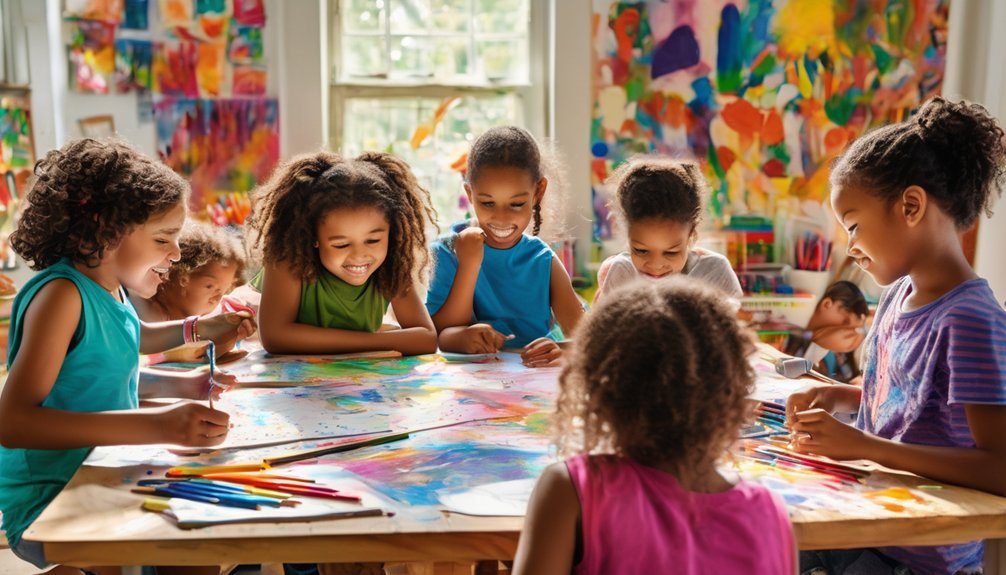
Exploring creative coloring techniques can elevate your child’s artistic expression and make the activity even more enjoyable.
Try blending colors by layering crayons or markers; this creates depth and richness. Encourage your child to use different tools, like cotton swabs or sponges, for unique textures.
Blending colors with crayons or markers adds depth, while using tools like cotton swabs or sponges creates unique textures.
Experiment with watercolors to create soft, dreamy effects. Stencils can help add intricate designs, while collage techniques let your child mix colored paper into their artwork.
Don’t forget about nature! Using leaves or flowers as stamps can make beautiful prints.
Lastly, challenge your child to create a gradient effect by transitioning from one color to another.
These techniques not only enhance their skills but also spark imagination and creativity, making every coloring session a new adventure!
Themed Coloring Activities for Special Occasions
While special occasions bring joy and excitement, they also offer a fantastic opportunity for themed coloring activities that can enhance your child’s experience.
You can create memorable moments by incorporating fun themes into your coloring sessions. Here are some ideas to get you started:
- Birthday Bash: Design colorful birthday cakes and balloons.
- Holiday Cheer: Color festive scenes with snowmen or turkeys.
- Seasonal Wonders: Capture the essence of spring flowers or autumn leaves.
- Animal Safari: Explore jungles and oceans with vibrant animal illustrations.
- Superhero Adventures: Bring to life caped heroes and villains in dynamic action.
These themed activities not only spark creativity but also encourage family bonding while celebrating special moments together!
Incorporating Mindfulness Into Coloring
Coloring can be a wonderful way to practice mindfulness, allowing kids to focus on the present moment while expressing their creativity. To enhance this experience, encourage your child to pay attention to their breathing and the colors they choose. Here’s a simple table to illustrate mindfulness techniques during coloring:
| Technique | Description |
|---|---|
| Deep Breathing | Take slow, deep breaths while coloring. |
| Color Awareness | Notice how each color feels and looks. |
| Focused Attention | Concentrate on one section at a time. |
| Reflective Thinking | Ask what emotions arise through colors. |
Sharing and Displaying Finished Artwork
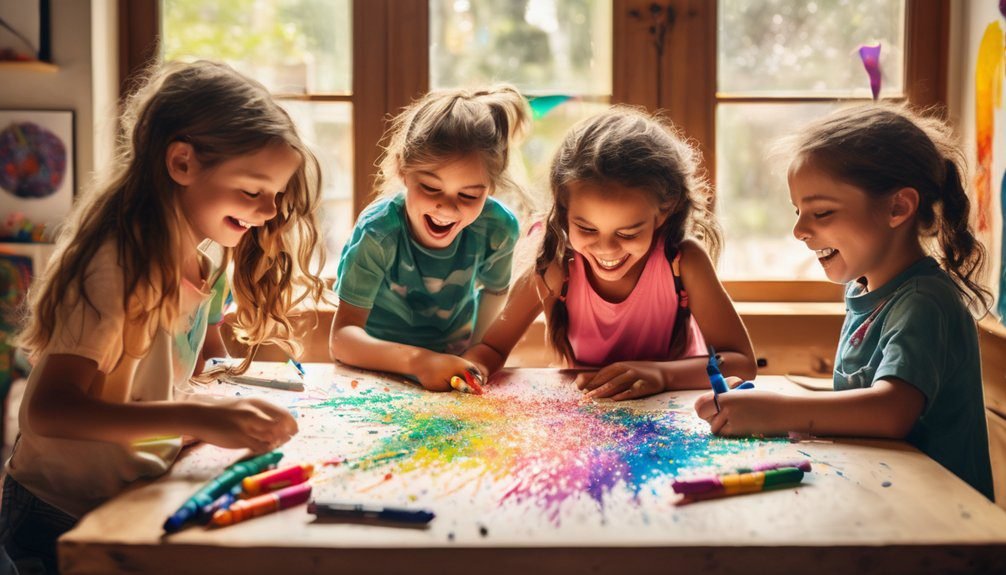
Once your child finishes a coloring project, sharing and displaying their artwork can boost their confidence and foster a sense of accomplishment.
You can make this a fun experience by showcasing their creations in various ways. Consider these ideas:
- Hang their artwork on the fridge for family members to admire.
- Create a dedicated gallery wall at home featuring their best pieces.
- Use a scrapbook to preserve and revisit their colorful journey over time.
- Organize a mini art show with friends and family, where your child can present their work.
- Send artwork to relatives or friends as a personal touch on special occasions.
These simple gestures not only celebrate their creativity but also encourage your child to keep exploring their artistic talents.
Frequently Asked Questions
What Age Is Appropriate for Kids to Start Coloring?
Kids can start coloring as early as 18 months. At this age, they enjoy scribbling and exploring colors. As they grow, you’ll notice their skills and creativity develop, making coloring a fun activity for them.
How Can I Encourage My Child to Color More?
To encourage your child to color more, ignite their imagination like a spark in dry grass. Provide vibrant materials, set a cozy space, join them in creativity, and celebrate their masterpieces with enthusiasm.
Are There Any Safety Concerns With Coloring Materials?
Yes, there are safety concerns with coloring materials. You should check for non-toxic labels, avoid small pieces that could pose choking hazards, and ensure your child uses age-appropriate supplies to prevent any accidents.
How Often Should Kids Engage in Screen-Free Coloring?
Imagine a garden flourishing without weeds. Kids should engage in screen-free coloring at least a few times a week. This nurtures creativity, boosts focus, and allows their imaginations to blossom without digital distractions.
Can Coloring Help With My Child’s Fine Motor Skills?
Yes, coloring can significantly improve your child’s fine motor skills. As they grasp crayons and maneuver them, they’re enhancing hand-eye coordination and strengthening those small muscles, which are essential for writing and other tasks.
Conclusion
Incorporating screen-free coloring time into your child’s routine can truly make a difference. Did you know that kids who spend less time on screens are 20% more likely to show improved focus and creativity? By embracing coloring activities, you’re not just providing a fun pastime; you’re also nurturing their fine motor skills and emotional well-being. So grab those crayons and let your child’s imagination soar, creating masterpieces that they’ll be proud to share!