
Storing your finished coloring art properly is essential to preserving its quality and vibrancy. You might think any storage method will do, but that’s not the case. Choosing the right materials and techniques can make all the difference in keeping your creations safe for years. So, how do you ensure your artwork remains in pristine condition? Let’s explore the best practices that every artist should know.
Key Takeaways
- Use acid-free paper or tissue between pieces to prevent smudging and fading of colors in your finished coloring art.
- Store artwork flat in a sturdy container to avoid creasing and preserve details and textures.
- Label each piece with the date and title for easy identification and tracking of your progress.
- Keep finished art in a climate-controlled environment to protect against moisture and temperature fluctuations.
- Consider digitizing your artwork by scanning it for long-term preservation and easy sharing without risking damage to originals.
Choosing the Right Storage Materials
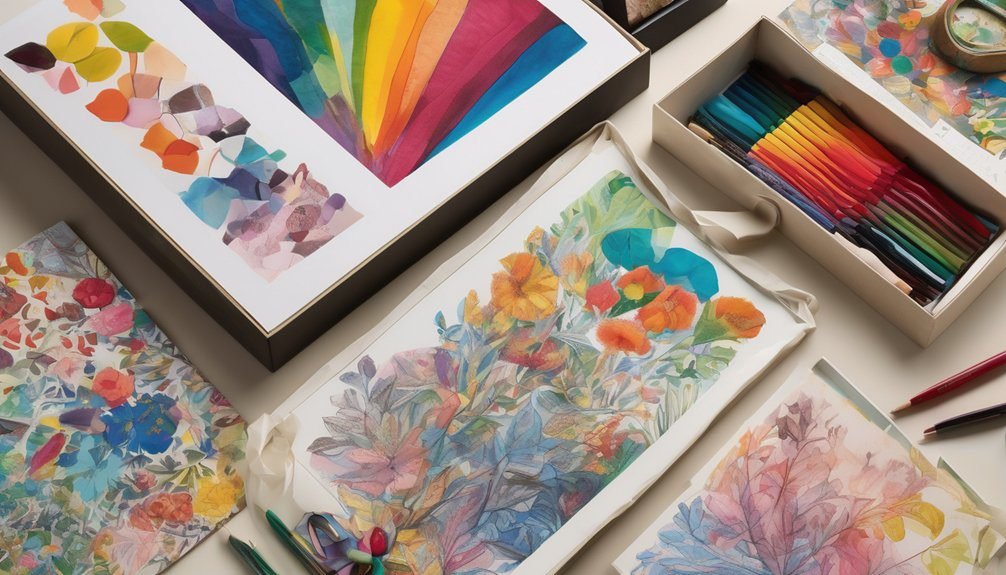
When you’re storing your finished coloring art, choosing the right storage materials is essential to preserve its quality.
Start with acid-free paper or tissue to protect your artwork from moisture and fading. This ensures your vibrant colors stay intact over time.
Consider using clear plastic sleeves or archival boxes, as they provide a barrier against dust and physical damage.
Avoid materials with chemicals or dyes that could transfer to your art.

If you’re using folders, make sure they’re sturdy and won’t bend or warp.
Finally, label everything clearly so you can easily find your favorite pieces later.
Flat vs. Rolled Storage: Which Is Best?
After investing in quality storage materials for your finished coloring art, it’s time to decide how to store your pieces: flat or rolled.
Flat storage is ideal for preserving the details and textures of your artwork. It keeps your pieces free from creases and allows for easy viewing. However, you’ll need ample space, as flat storage requires larger containers or portfolios.
Flat storage preserves artwork details and textures, preventing creases and ensuring easy viewing, but requires ample space for containers.
On the other hand, rolled storage is space-efficient and works well if you have limited room. Just be cautious when rolling your artwork; use acid-free tissue paper to prevent damage and maintain its integrity.
Ultimately, the choice depends on your available space and how you want to preserve your beautiful creations. Choose wisely to keep your art in pristine condition!
Archiving Your Artwork: Tips for Longevity
To ensure your finished coloring art lasts for years to come, it’s essential to implement effective archiving techniques.
Start by using acid-free materials like folders and sleeves to prevent degradation. Store your artwork flat in a dark, dry place to avoid bending or creasing.
Label each piece with the date and any relevant details, making it easier to track your progress over time. If you’re stacking pieces, place a protective barrier, like acid-free paper, between them.
Regularly check your stored art for signs of wear or damage, and reorganize as necessary.
By taking these steps, you’ll not only preserve your artwork but also create a well-organized collection that showcases your creativity.
Happy archiving!
Protecting Against Environmental Damage
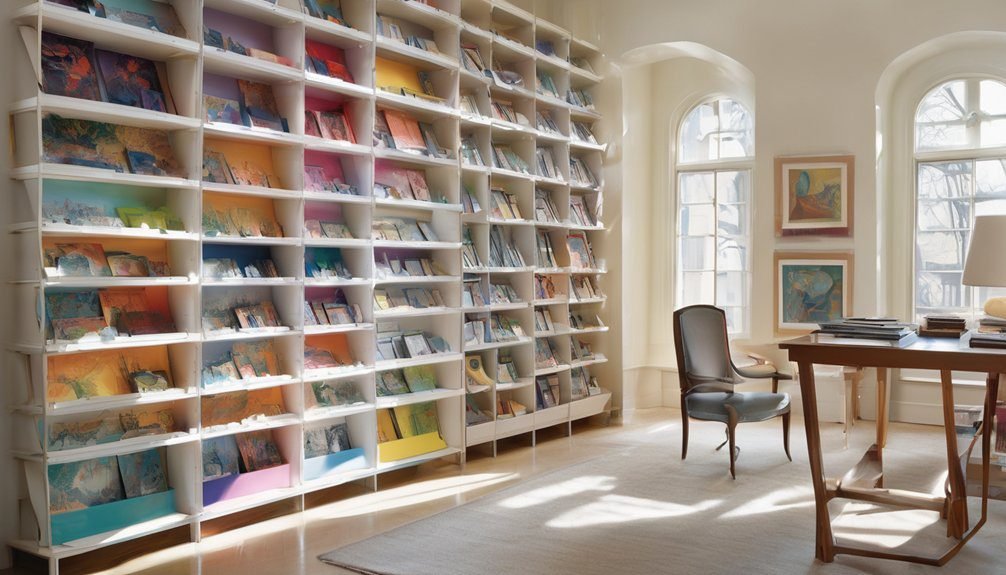
Even with careful archiving, your finished coloring art can still be vulnerable to environmental damage.
To keep your artwork safe, take proactive steps to minimize risks. Here are three critical measures you should consider:
- Temperature Control: Store your art in a climate-controlled environment, ideally between 65-75°F, to prevent warping and fading.
- Humidity Management: Maintain humidity levels between 30-50%. Use a dehumidifier or silica gel packs to avoid mold growth and paper deterioration.
- Light Protection: Keep your art away from direct sunlight and fluorescent lighting. Use UV-filtering glass or acrylic for framing to shield against harmful rays.
Organizing Your Collection for Easy Access
Anyone who’s invested time and creativity into coloring art knows the importance of keeping their collection organized.
Start by sorting your pieces by theme, color, or size, depending on what makes sense for you. Use labeled folders or binders to store your artwork flat, ensuring easy access when you want to revisit your favorites.
Consider a digital catalog, too; taking photos of each piece can help you quickly find what you’re looking for. If you have a larger collection, a dedicated storage box with dividers can keep everything neat.
Remember to regularly review and reorganize your collection to make sure it still works for you. An organized collection not only protects your art but also enhances your creative experience.
Displaying Your Art Without Damage
While showcasing your coloring art can be exciting, it’s crucial to do so in a way that protects your hard work. Here are three effective methods to display your art without causing damage:
- Use Frames: Opt for UV-protective glass frames to shield your pieces from sunlight and dust. Ensure the frame has a backing to prevent bending.
- Hang with Care: Use wall-mounted hooks or adhesive strips designed for artwork. This prevents any damage to the art while keeping it securely displayed.
- Consider Easels: For temporary displays, use an easel. This allows you to showcase multiple pieces without the risk of permanent damage.
Digital Archiving: A Modern Approach
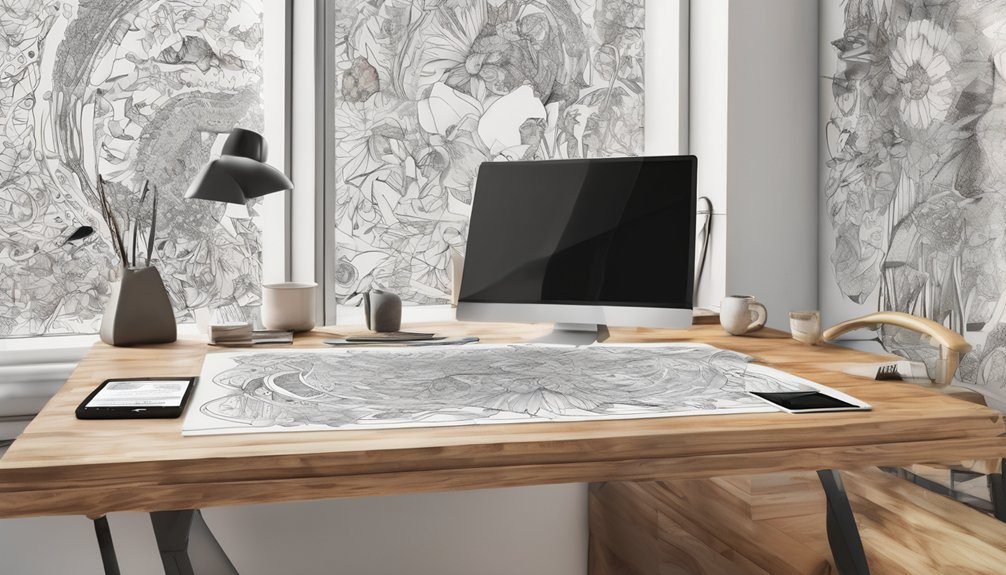
As you explore new ways to preserve your finished coloring art, consider digital archiving for a modern and efficient solution. Scanning your artwork allows you to create high-quality digital copies that last indefinitely, protecting your pieces from wear and tear.
Use a flatbed scanner for the best results, ensuring you capture every detail and color. Once scanned, save your files in formats like JPEG or PNG for easy access. You can also organize your digital archive using folders or tagging systems, making it a breeze to find your favorite pieces later.
Plus, you can share your art with friends or on social media without risking damage to the originals. Digital archiving is a smart way to celebrate your creativity and keep your art safe.
Regular Maintenance and Care for Your Artwork
After creating digital copies of your finished coloring art, it’s important to focus on regular maintenance and care for the originals.
Keeping your artwork in top condition ensures its longevity and vibrancy. Here are three essential steps to follow:
Ensure your artwork remains vibrant and lasts longer by following essential maintenance steps.
- Store Properly: Use acid-free materials and avoid direct sunlight to prevent fading and deterioration.
- Clean Gently: Dust your pieces with a soft brush or microfiber cloth. Avoid using water or cleaners that could damage the surface.
- Inspect Regularly: Check for any signs of wear or damage. Address issues promptly to prevent further deterioration.
Frequently Asked Questions
Can I Use Regular Paper for Storing My Artwork?
You can use regular paper for storing your artwork, but it’s not ideal. It may cause smudging or damage over time. Consider investing in acid-free paper or protective sleeves for better preservation.
How Often Should I Check on My Stored Art?
You should check on your stored art every few months. This way, you can ensure it’s in good condition, free from moisture or pests, and make adjustments as needed to protect your creations effectively.
Is Climate Control Necessary for Stored Artwork?
You might think climate control’s not that important, but it really is. To keep your artwork safe from humidity and temperature fluctuations, you need it. Protecting your creations ensures they remain vibrant and undamaged over time.
What Should I Avoid Placing Near My Art Storage?
Avoid placing your art storage near direct sunlight, humidity sources, or extreme temperatures. Also, steer clear of chemicals or cleaning supplies that could emit harmful fumes, as they can damage your artwork over time.
Can I Store My Artwork in a Garage or Attic?
You shouldn’t store your artwork in a garage or attic. Temperature fluctuations and humidity can damage your pieces. Instead, choose a stable environment with controlled conditions to keep your art safe and preserved.
Conclusion
By following these tips, you can ensure your finished coloring art remains as vibrant as the day you created it. Just like a cherished memory, your artwork deserves to be preserved with care and respect. Whether you choose flat or rolled storage, keep it safe from environmental damage, and maintain an organized collection, your creations will stand the test of time. So, treat your art like the treasure it is, and enjoy it for years to come!