
Like a well-tended studio, your child’s coloring space works best when you choose supplies that fit small hands and growing skills. You’ll want tools that are safe, washable, and easy to grip, but the best option changes as your child develops. From chunky crayons to low-mess paint sticks, each choice shapes comfort, confidence, and creativity in a different way.
Key Takeaways
- Choose non-toxic, age-appropriate supplies with comfortable grips for small hands.
- Chunky, sturdy crayons are best for young children because they are easy to hold and hard to break.
- Introduce washable, broad-tip markers only when kids can cap and uncap them independently.
- Colored pencils suit children with better fine-motor control and patience for detailed coloring.
- Paint sticks and watercolor crayons offer low-mess creativity with bold color and easy blending.
What to Look for in Kids’ Coloring Supplies
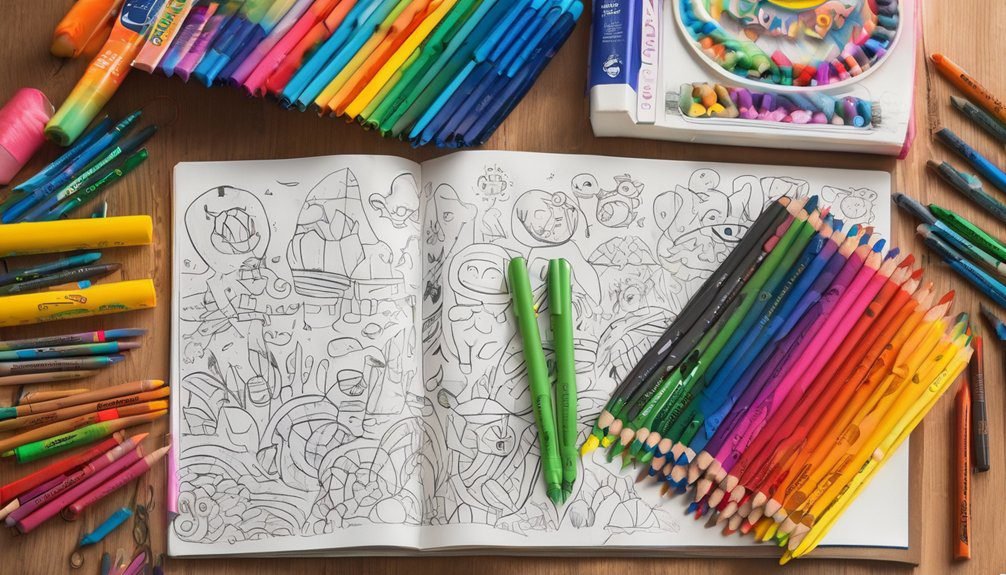
When you’re choosing coloring supplies for kids, start with safety, age-appropriateness, and ease of use. You want tools that feel comfortable in small hands and let your child focus on creativity, not struggle.
Look for smooth application, clear color payoff, and materials that support developing coloring techniques without frustration. Non-toxic options matter, especially when little ones explore with curiosity.
You’ll also want supplies that match your child’s attention span and motor skills, so each session feels rewarding. Consider the sensory benefits too: some children relax with soft textures, while others enjoy firmer, more controlled strokes.
When you choose well, you help your child build confidence, enjoy making art, and stay engaged longer.
What Are the Best Crayons for Little Hands?
The best crayons for little hands are chunky, sturdy, and easy to grip, so your child can color with control without tiring quickly.

You’ll want crayons with smooth crayon materials that glide on paper without crumbling, because that helps your child stay engaged and confident.
Look for an ergonomic design that fits small palms, with a thick shape your child can hold from many angles.
Break-resistant crayons also make sense, since little artists press hard while exploring color.
Non-toxic formulas give you peace of mind, and bold pigments keep every stroke satisfying.
When you choose crayons that feel comfortable and dependable, you give your child a tool that supports early creativity, fine motor growth, and joyful, independent play.
When Should Kids Use Markers?
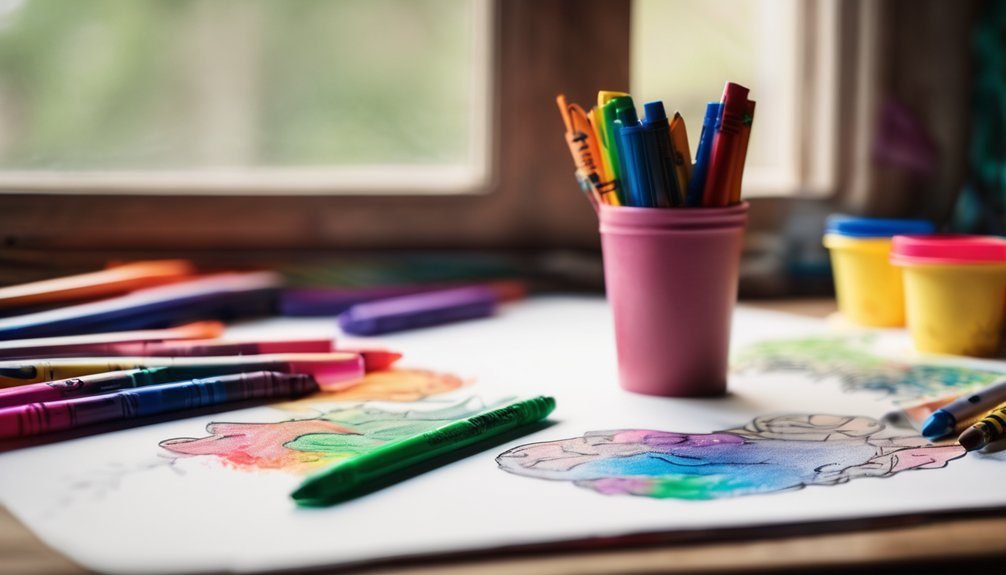
Markers can be a great choice once your child has enough control to use them with purpose rather than frustration. You’ll usually notice this when they can cap and uncap them, make simple strokes, and follow a coloring boundary without getting upset.
At that stage, you can introduce marker types with confidence, choosing washable, broad-tip options first. These offer early benefits like bright color, smoother application, and strong motivation to keep creating.
You should still supervise closely, because markers can stain skin, clothing, and furniture. Keep your focus on short, enjoyable sessions that help your child build comfort and confidence.
When you match the supply to their development, markers become a helpful tool, not an overwhelming one, and your child can enjoy art with ease.
When Should Kids Use Colored Pencils?
Colored pencils are a good choice once your child can hold a pencil with enough control to make purposeful lines and color with some patience. You’ll usually see this readiness around preschool or early elementary years, but skill matters more than age.
Colored pencils help you guide coloring techniques like light pressure, layering, and staying inside edges, which builds fine-motor control. They also let your child slow down, notice details, and enjoy artistic expression without the mess of wetter materials.
If your child gets frustrated by broken tips or weak grip, wait a little longer and offer shorter pencils or triangular grips. When they’re ready, colored pencils can support confidence, focus, and beautiful results.
What Are the Best Paint Sticks and Watercolor Crayons?

Paint sticks and watercolor crayons can be excellent choices when you want a low-mess way to introduce painting effects without handing over a full set of liquid paints. You’ll often notice paint stick benefits right away: they glide like crayons, lay down bold color, and let you build clean layers with little setup.
Watercolor crayons comparisons usually favor versatility, because you can draw first, then brush with water to soften lines into a painted look. Choose sturdy, richly pigmented options that feel smooth in your child’s hand and keep colors vivid on paper.
You’ll help your child explore blending, mark making, and color mixing while staying in control of the experience. These tools invite creativity, and they make practice feel playful, gentle, and rewarding.
What Are the Safest Washable Options?
When you’re choosing washable art supplies for children, look for products labeled non-toxic, washable, and age-appropriate, since these give you the best balance of safety and easy cleanup. You can trust options that meet safety standards and clearly list ingredients, because they reduce worry while keeping creativity close at hand.
Choose non-toxic, washable, age-appropriate art supplies for safer creativity and easier cleanup.
- washable markers that rinse from skin and fabric
- crayons and pencils with non toxic options and smooth coverage
- finger paints made for easy soap-and-water cleanup
You’ll also want secure caps and sturdy packaging, so little hands can’t spill or break them easily.
When you pick brands with simple labels and honest testing, you give your child freedom to explore, and you give yourself peace of mind.
Which Coloring Supplies Work Best by Age?
The best coloring supplies for each age depend on how well a child can grip, control, and safely use them. For toddlers, choose thick crayons and jumbo colored pencils that support early coloring techniques and reduce frustration.
Around preschool age, you can introduce washable markers and triangular crayons, which fit small hands and improve control.
As your child reaches early elementary years, slimmer colored pencils and fine-tip markers can match growing coordination and more detailed work.
You should always check age appropriateness on labels, because some supplies need stronger hand control or closer supervision.
If your child tires quickly, stick with simpler tools until confidence builds.
Matching the supply to the stage helps your child enjoy coloring, practice skill, and feel proud of every page.
What Extras Make Coloring Time Easier?
Once you’ve matched coloring supplies to your child’s age, a few helpful extras can make the activity smoother and more enjoyable. You can set your child up for success with simple tools that support focus, comfort, and confidence while they explore coloring techniques and creative prompts.
- A sturdy clipboard or lap desk keeps pages steady anywhere.
- Pencil grips help small hands hold crayons or pencils more comfortably.
- A soft eraser and sharpener make corrections and details easier.
You can also offer a washable table cover or scrap paper beneath each page to reduce stress during busy sessions.
These small additions don’t replace quality supplies; they simply help your child relax, stay engaged, and enjoy each moment with less frustration and more creative flow.
How to Store Kids’ Coloring Supplies
Keeping kids’ coloring supplies organized makes it easier for you to encourage creativity without constant cleanup. Use clear bins, cup holders, or drawer trays so crayons, markers, and pencils each have a home.
Good coloring organization also helps your child find supplies quickly and return them with less fuss. Choose storage solutions that match your space: a rolling cart for shared areas, a lidded box for shelves, or a small caddy for table time.
Keep often-used items within reach and store extras higher up. Label containers with words or pictures to support independence. Check supplies regularly, toss broken pieces, and sharpen pencils as needed.
When you create a simple system, you make coloring calmer, tidier, and far more enjoyable.
Frequently Asked Questions
How Can I Encourage My Child to Color More Often?
You can encourage your child by making coloring routines fun and offering creative prompts. Keep supplies handy, color together, praise effort, and invite choices so they feel confident, relaxed, and eager to return often.
What Coloring Supplies Help Improve Fine Motor Skills?
You’ll build fine motor skills with chunky crayons, triangular pencils, and washable markers in varied marker thicknesses. Small fingers grip better, control strokes more easily, and your child’ll feel confident as colorful shapes bloom.
How Do I Choose Supplies for Left-Handed Children?
Choose left handed tools with angled tips and ergonomic grips so you can reduce strain and improve control. You’ll want smooth-gliding crayons, pencils, and markers that fit comfortably, letting your child color confidently and happily.
Can Coloring Supplies Help Reduce Screen Time?
Yes—coloring supplies can help reduce screen time. You give your child crayons, you spark creative expression, you invite calm focus, and you replace scrolling with hands-on joy, connection, and imaginative play.
What Activities Pair Well With Coloring for Kids?
You can pair coloring with coloring games, creative storytelling, sticker scenes, and simple crafts. You’ll spark imagination, build fine-motor skills, and keep kids engaged. Try matching colors, inventing characters, or narrating pictures together.
Conclusion
When you choose the right coloring supplies, you make creative time feel easy, safe, and fun. You can start with chunky crayons for tiny hands, then gently move toward washable markers, colored pencils, or paint sticks as skills bloom. By keeping supplies organized and age-appropriate, you help every coloring session run smoothly. With a few thoughtful choices, you’ll invite more joyful scribbles, fewer little mishaps, and plenty of colorful confidence.