
Have you ever noticed how coloring can shift your mood? It’s not just a childhood pastime; it taps into the brain’s natural ability to focus and relax. As you engage in this simple activity, your mind might quiet down, allowing stress to fade. But there’s more to it than just filling in shapes. The connection between color choices and emotional well-being is fascinating and worth exploring further.
Key Takeaways
- Coloring engages both brain hemispheres, enhancing focus and promoting a meditative state that calms the mind and reduces distractions.
- It serves as a focused distraction, shifting attention from stress while allowing for emotional release through visual expression.
- The act of coloring fosters mindfulness, encouraging presence in the moment and boosting creativity by sparking new ideas and thoughts.
- Color choices impact emotional well-being, with warm colors energizing and cool colors promoting tranquility, influencing overall mood and mental state.
- Engaging in coloring leads to a state of flow, improving concentration and recharging cognitive functions for other tasks.
The Science Behind Coloring and Mindfulness

As you dive into the world of coloring, you’ll discover that it’s more than just a creative outlet; it’s a powerful tool for mindfulness.
Research shows that engaging in coloring activates both hemispheres of your brain, enhancing focus and promoting a meditative state. The repetitive motions of coloring can calm your mind, allowing you to let go of distractions and immerse yourself in the moment.
Colors stimulate emotional responses, which can also enhance your mood. Choosing colors and patterns encourages decision-making, further engaging your cognitive functions.

Stress Reduction Through Creative Expression
Coloring isn’t just a way to practice mindfulness; it also serves as a powerful means of stress reduction through creative expression. When you engage with colors, you distract your mind from daily worries, allowing your creativity to flow. This process can lead to a sense of accomplishment and calm.
Here’s how coloring impacts stress:
| Benefit | How It Helps | Example |
|---|---|---|
| Focused Distraction | Shifts attention from stress | Filling in intricate designs |
| Emotional Release | Expresses feelings visually | Choosing colors based on mood |
| Mindfulness Practice | Encourages being present | Concentrating on each stroke |
| Boosts Creativity | Sparks new ideas and thoughts | Experimenting with color combinations |
| Sense of Accomplishment | Provides a tangible result | Completing a page successfully |
Enhancing Focus and Concentration
When you immerse yourself in coloring, it can significantly enhance your focus and concentration. Engaging with vibrant hues and intricate designs draws your attention away from distractions, allowing your mind to enter a state of flow.
As you select colors and fill in shapes, you’ll find that your brain shifts into a more focused mode, sharpening your attention on the task at hand. This creative activity encourages mindfulness, where your thoughts align with the present moment.
You’ll likely notice an improved ability to concentrate on other tasks after your coloring session, as the mental exercise recharges your cognitive functions. So, grab some colored pencils and dive into the world of coloring to boost your focus and enhance your productivity.
The Therapeutic Benefits of Color Choices
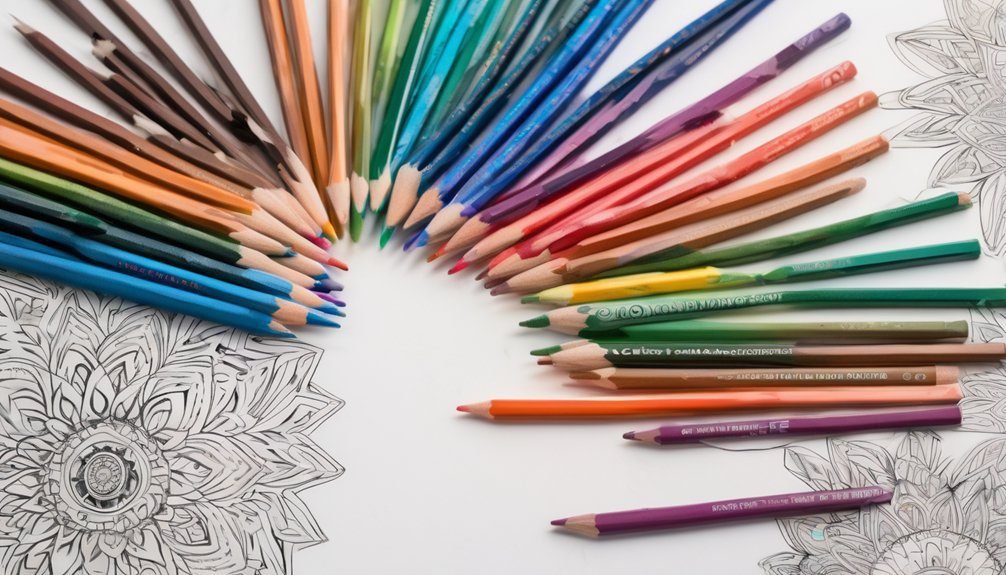
Have you ever wondered how the colors you choose can impact your emotional state? Your color choices can evoke feelings, influencing your mood and well-being. For instance, warm colors can energize you, while cool colors often calm your mind.
Here’s a quick guide to help you understand the therapeutic benefits:
| Color | Emotional Effect |
|---|---|
| Red | Increases energy |
| Blue | Promotes tranquility |
| Yellow | Boosts optimism |
Boosting Creativity and Problem-Solving Skills
Colors not only influence your emotions but can also spark creativity and enhance problem-solving skills. When you surround yourself with vibrant hues, your brain becomes more open to new ideas and innovative solutions.
For example, warm colors like red and orange can energize you, pushing you to think outside the box. In contrast, cool colors like blue and green promote calmness, allowing for clearer thinking and better focus on complex problems.
Engaging in coloring activities lets your mind wander freely, fostering a playful atmosphere that encourages exploration. By incorporating colors into your workspace or creative projects, you create an environment ripe for inspiration, helping you break through mental blocks and approach challenges with fresh perspectives.
Coloring as a Form of Meditation
Engaging in coloring can also serve as a powerful form of meditation. As you focus on colors and shapes, your mind quiets, allowing you to immerse yourself in the present moment. This mindful activity can reduce stress and promote relaxation. Picture yourself surrounded by vibrant colors, letting go of distractions.
| Color | Emotion | Effect |
|---|---|---|
| Red | Energy | Increases alertness |
| Blue | Calmness | Reduces anxiety |
| Green | Balance | Promotes harmony |
| Yellow | Happiness | Boosts mood |
| Purple | Creativity | Inspires imagination |
How to Get Started With Adult Coloring Activities
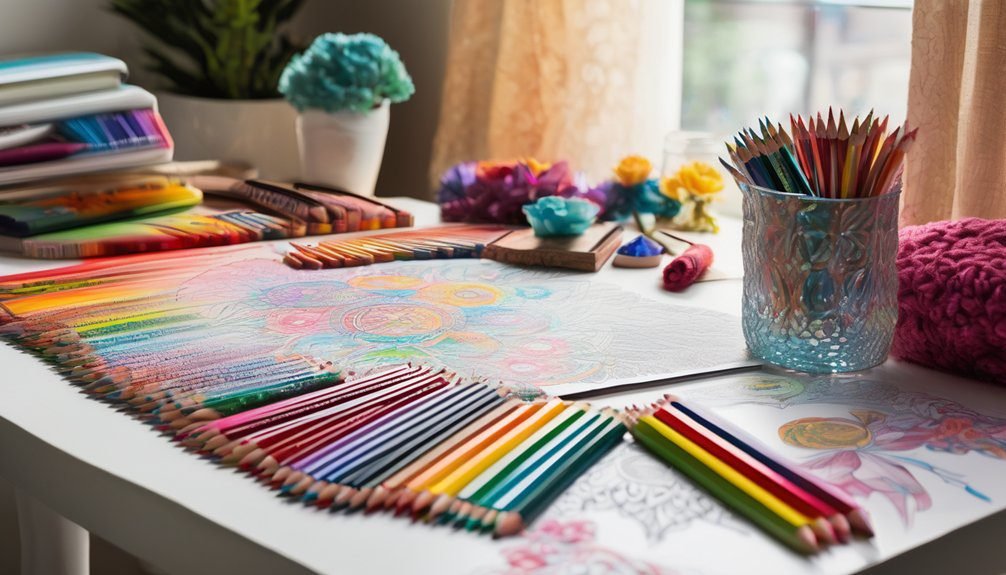
If you’re ready to explore the world of adult coloring activities, starting is easier than you might think. First, grab some basic supplies—coloring books designed for adults, colored pencils, or markers.
Choose a quiet space where you won’t be disturbed; this helps you focus. Begin with simple designs to build confidence before tackling more complex patterns. Set a timer for a short session, like 20 minutes, to ease into it without feeling overwhelmed.
Don’t worry about perfection; let your creativity flow. Play with colors and enjoy the process.
Embrace the journey of creativity—experiment with colors and relish every moment of the process.
Finally, consider joining a local or online coloring group to share your work and gain inspiration. You’ll be surprised at how relaxing and rewarding this creative outlet can be!
Frequently Asked Questions
Can Coloring Help With Anxiety and Depression Symptoms?
Yes, coloring can help with anxiety and depression symptoms. It provides a creative outlet, allows you to focus, and promotes relaxation. Engaging in this simple activity can boost your mood and reduce stress effectively.
What Age Group Benefits Most From Adult Coloring?
You won’t believe it, but adults aged 25 to 45 seem to benefit the most from coloring! It’s like rediscovering childhood joy, helping you relax and express creativity while easing stress and anxiety. Give it a try!
Are There Specific Colors That Affect Mood More Significantly?
Yes, specific colors can significantly affect your mood. For instance, blue often brings calmness, while yellow can evoke happiness. Experimenting with various colors helps you discover what resonates best with your emotions and enhances your well-being.
How Often Should I Color for Maximum Benefits?
You don’t need to color every day, but aim for a few times a week. Just 15-30 minutes can help you relax, boost creativity, and improve your mood—so find a rhythm that works for you!
Can Coloring Improve My Sleep Quality?
Yes, coloring can improve your sleep quality. Engaging in this calming activity before bed helps reduce stress and anxiety, promoting relaxation. Just spend a few minutes coloring to wind down and prepare your mind for rest.
Conclusion
In a world buzzing with digital distractions, picking up a coloring book can feel like stepping into a time machine, allowing you to reconnect with your inner child. By embracing the psychological power of coloring, you can enhance your focus, reduce stress, and boost your creativity. So, grab those colored pencils and let your imagination run wild—after all, it’s never too late to color outside the lines and find your zen in this colorful journey.