
A great coloring book can feel like a treasure chest opening in your child’s hands. You’ll want to pick one that fits their age, skill, and favorite themes, so they stay curious instead of frustrated. The right pages can build fine motor skills, hold their attention, and make every crayon stroke count—but there’s more to consider before you choose the perfect one.
Key Takeaways
- Choose themes your child loves, like animals, dinosaurs, superheroes, princesses, or fairies, to spark quick excitement and ownership.
- Match the book to age and skill level, using bold shapes for beginners and more detailed pages for older kids.
- Pick books that fit attention span, with short, cheerful pages for younger children and longer challenges for focused colorers.
- Look for creative variety and playful characters that invite color choices and make the activity feel like an adventure.
- Check quality features like thick paper, sturdy pages, and tool compatibility to prevent tearing and color bleed-through.
What Makes a Coloring Book Fun?
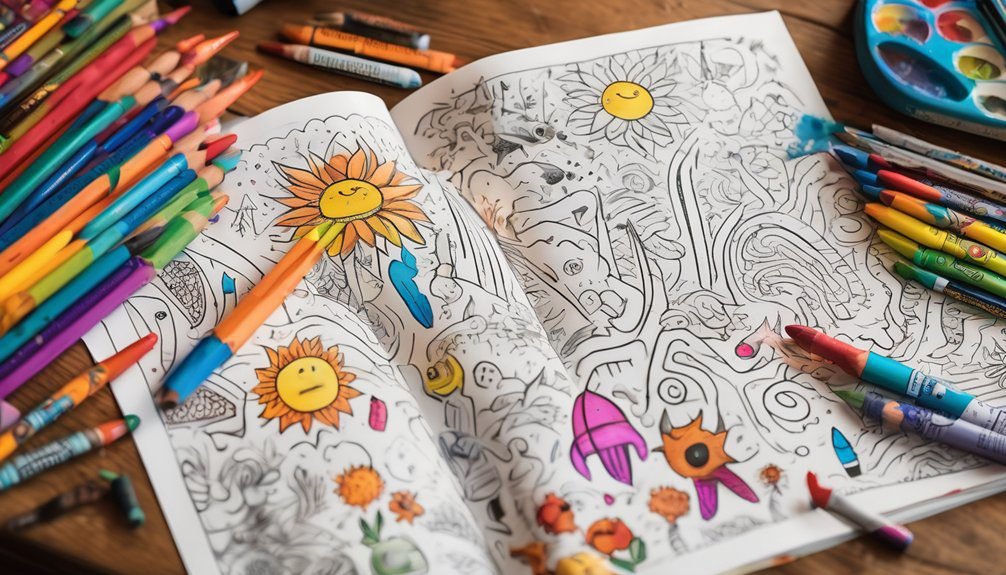
A coloring book feels fun when it matches your child’s interests, age, and skill level. You’ll notice the magic right away when pages invite them to explore favorite animals, silly scenes, or bold patterns.
Variety matters too, because different coloring styles keep things fresh and exciting. Some kids love neat spaces they can fill with careful strokes, while others want big open shapes for quick bursts of color. When a book offers creative freedom, your child can choose bright rainbows, moody blues, or whatever feels right in the moment. That freedom builds confidence and keeps them coming back.
Little surprises, like playful characters and charming details, also make each page feel like a tiny adventure you share together.
Choose Coloring Books by Age and Skill
Kids enjoy coloring more when the book fits both their age and their current skill level. You can pick pages that feel just right, so your child stays excited instead of frustrated.

Look at coloring book categories to match the right challenge and support skill development.
- Choose bold, large shapes for beginners.
- Try medium details when steady hands improve.
- Offer tighter lines for older kids ready for focus.
- Keep page count manageable so they finish proudly.
You’ll notice confidence grow when the pictures aren’t too easy or too hard. That sweet spot keeps coloring playful, builds control, and helps your child feel capable with every crayon stroke.
Pick Themes They Already Love
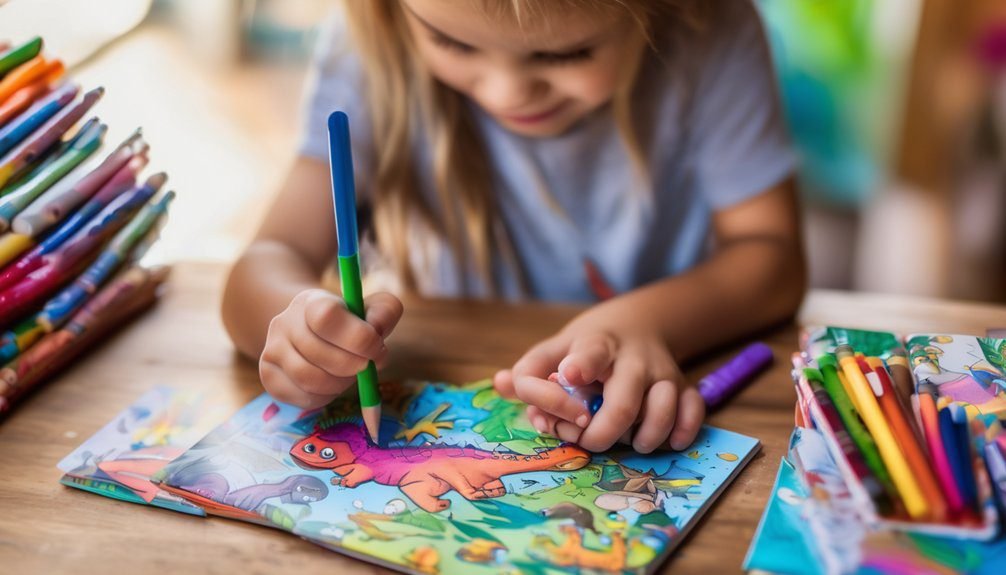
Once you’ve matched the book to your child’s age and skill, the next easy win is choosing themes they already love. If your little one beams at favorite characters, pick a book that puts them front and center. If they dream about imaginative worlds, look for dragons, space, mermaids, or jungle adventures. When the pictures feel familiar, your child leans in fast and colors with more joy.
| Theme | Why it works |
|---|---|
| Animals | Cute, cozy, easy to adore |
| Superheroes | Big energy, bold fun |
You can also ask what they’d grab first: dinosaurs, princesses, trucks, or fairies. That tiny choice gives them ownership and makes coloring feel personal, warm, and oh-so-inviting.
Match the Book to Their Attention Span
If your child loves to bounce from one idea to the next, keep the coloring book short, cheerful, and easy to finish. You’ll match the pages to their attention span, so coloring feels fun, not frustrating.
Pick books with clear images, a few details, and just enough variety to spark their curiosity. That way, they can enjoy quick wins and stay excited.
- Choose small sections for fast focus.
- Look for playful scenes that finish quickly.
- Save detailed pages for longer moods.
- Notice which coloring techniques keep them engaged.
When the book fits their energy, they’ll relax into it and want to return for more. You’re not just picking pages; you’re helping them build confidence, one colorful moment at a time.
Check Paper Quality and Coloring Tools
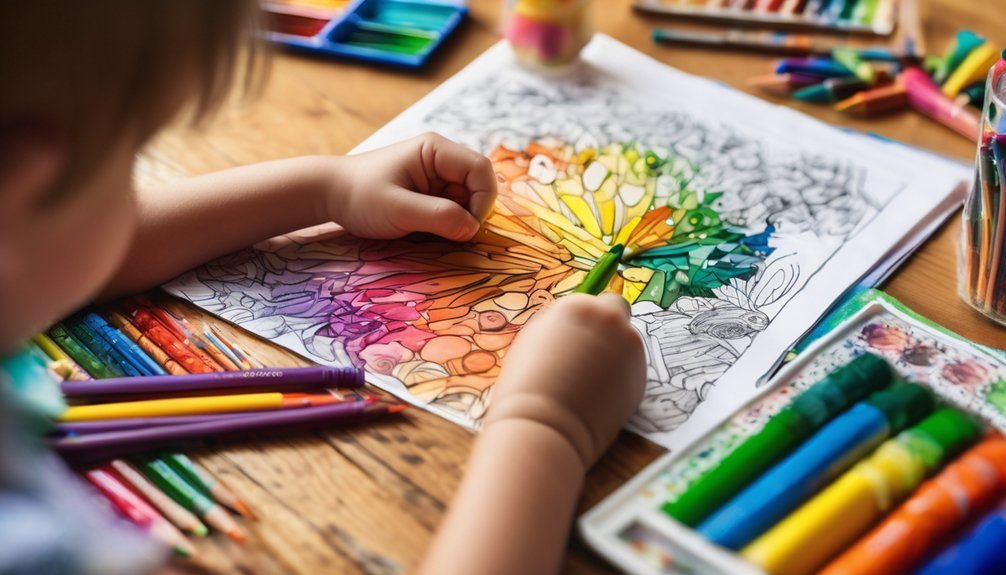
After you’ve matched the book to your child’s attention span, take a quick look at the paper and the tools they’ll use. You want pages that can handle eager scribbles without tearing, so check paper durability before you buy.
Thicker sheets usually keep colors from bleeding through, which means more freedom for little artists to enjoy every page. Then think about coloring mediums: crayons, colored pencils, markers, or even gel pens.
Some books work best with dry tools, while others welcome bolder choices. If your child loves switching it up, choose a book that gives them room to play.
A sturdy page and the right tools make coloring feel smoother, brighter, and more fun for both of you.
Build Fine Motor Skills Through Coloring
Coloring does more than fill in pictures—it helps your child build fine motor skills one crayon stroke at a time. You’ll see tiny fingers learn control, grip, and pressure while they color with care.
These coloring benefits grow as your child traces lines, stays inside shapes, and switches colors. Creative expression makes practice feel like play, so your little one keeps going.
- Hold crayons with a relaxed grip.
- Color small spaces slowly.
- Follow outlines with steady hands.
- Change colors often for extra control.
When you pick pages that match your child’s age, you give them just enough challenge to stretch skills without frustration. That sweet balance keeps coloring fun, helping their hands and confidence grow together.
Look for Bonus Activities
Bonus surprises can make a coloring book even more fun for your child. You can look for pages with creative prompts that invite your little one to imagine, tell a story, or finish a scene. These little nudges turn coloring time into playtime.
Bonus stickers, mazes, match-ups, and simple word games add interactive elements that keep your child curious and smiling. You’ll also find books that include tracing, counting, or search-and-find activities, which give your kid more chances to explore without feeling rushed.
When you choose these extras, you give your child a cozy, lively experience that feels personal and exciting. The best bonus activities don’t just fill space—they spark delight, encourage discovery, and make every page feel like a small adventure together.
Avoid Designs That Frustrate Young Artists
Fun extras can make a coloring book feel exciting, but the pictures themselves should still be easy for young hands to enjoy. You want designs that invite smiles, not sighs. If the design complexity is too high, your child may get stuck and lose the fun.
Choose pages with roomy shapes, clear outlines, and enough open space for artistic freedom. That lets little creators color boldly without feeling trapped.
- Pick simple scenes with big sections.
- Skip tiny patterns that crowd the page.
- Look for friendly characters with bold lines.
- Choose pages that let your child finish happily.
When you keep things manageable, you help your child feel proud, calm, and eager to color again.
Best Coloring Books by Age
As your child grows, the best coloring book changes with their skills and attention span. You can match pages to their age so coloring feels fun, not fussy. Toddlers love chunky shapes, preschoolers enjoy simple scenes, and older kids crave detail and stories. Keep an eye on coloring book trends, but trust your child’s hands and mood first.
| Age | Best pages | Why it works |
|---|---|---|
| 2–3 | Big outlines | Easy wins |
| 4–5 | Friendly scenes | Builds focus |
| 6–7 | Mixed details | Grows confidence |
| 8–9 | Themes and patterns | Sparks imagination |
Try creative techniques like stickers, crayons, or blended colors to keep things fresh. When you choose with care, you help your child feel proud, relaxed, and close to you.
Frequently Asked Questions
How Can I Tell if a Coloring Book Is Educational Too?
You can tell by checking for educational themes like letters, numbers, animals, or maps, and for skill development through tracing, matching, and problem-solving. You’ll spot learning cues quickly, and your child’ll have fun too.
Are Digital Coloring Books a Good Option for Kids?
Yes, digital coloring books can be a great option for kids—they’re a rainbow explosion of fun. You’ll spark digital creativity and enjoy interactive features, but you should balance screen time with hands-on coloring too.
What Are the Best Coloring Books for Travel and Road Trips?
You’ll love spiral-bound portable coloring books with thick pages, simple pictures, and built-in stickers. They’re road trip essentials because they fit bags, stay neat, and keep kids busy with easy, fun scenes on long rides.
How Often Should Kids Use Coloring Books Each Week?
Two to four times weekly works well. Picture Mia coloring after school on Tuesdays and Saturdays; you’ll see coloring benefits like calm focus and creativity, while age appropriateness helps you match time to their attention span.
Can Coloring Books Help Children Relax Before Bedtime?
Yes, you can use coloring books to help your child relax before bedtime. They support coloring benefits and fit nicely into bedtime routines, calming busy minds, easing stress, and making nighttime feel cozy, gentle, and fun.
Conclusion
When you choose a coloring book that fits your child’s age, interests, and attention span, you’re not just picking pages—you’re setting up a fun win. The theory holds true: kids stick with what feels easy, exciting, and theirs. So look for themes they love, sturdy paper, and designs that challenge without frustrating. With the right book, you’ll spark creativity, build skills, and make coloring feel like a happy little adventure.