
If you’re looking for a screen-free activity that actually holds your child’s attention, coloring books offer more than quiet entertainment. You give kids a simple task that supports focus, patience, and fine motor control while also inviting creativity and calm. They can explore color, make choices, and practice staying with one activity. What makes this familiar tool so effective may be less obvious than you think.
Key Takeaways
- Coloring books give kids an easy, rewarding activity with immediate results and no screens required.
- They build focus and patience by encouraging children to complete small sections carefully.
- Coloring strengthens fine motor skills, hand-eye coordination, and finger control for writing readiness.
- They spark creativity through open-ended choices in colors, patterns, and storytelling.
- Coloring offers a calm, mindful break from screens that can also support parent-child connection.
What Makes Coloring Books So Engaging?
Coloring books can hold a child’s attention because they offer a clear, manageable task with an immediate reward: each crayon stroke visibly changes the page. You give your child a space where coloring techniques feel easy to try, so artistic expression can bloom without pressure.
Bright choices in color psychology can also shape mood, while imaginative themes invite stories that deepen engagement. As your child fills spaces, the steady motion supports mindfulness practice and sensory exploration, and that calm focus often brings emotional release.
If you color together, collaborative coloring can strengthen connection and keep the experience lively. Because the goal is simple and concrete, your child can enter, enjoy, and return again, making coloring books feel welcoming, satisfying, and deeply personal.
How Do Coloring Books Build Focus and Patience?
As your child works from one small section to the next, coloring books naturally train attention by asking them to stay with a task long enough to complete it. You can see focus grow when they notice details, make choices, and return after tiny mistakes without giving up. These mindful moments help kids practice self-control in a calm, low-pressure way.

- They slow down and follow a simple plan.
- They use concentration techniques, like checking edges and matching colors.
- They learn patience by finishing what they start.
Research on child development shows that repeated, manageable challenges strengthen persistence over time. When you sit beside them, you reinforce effort, not speed. That support makes coloring feel safe, rewarding, and worth returning to again and again.
How Do Coloring Books Improve Fine Motor Skills?

When your child colors, they practice the small hand movements that build fine motor control, like gripping a crayon, pressing with the right amount of force, and guiding it along lines. You’re helping them strengthen grip strength as their fingers, wrist, and hand work together.
Coloring also supports hand-eye coordination because your child must match what they see with careful movement on the page. As they choose shades, they notice color recognition and learn to sort and name differences.
Coloring supports hand-eye coordination and color recognition as your child carefully matches what they see with each movement.
These repeated actions train muscles needed for writing, cutting, and buttoning later on. You can watch their control improve over time, and that progress often feels reassuring.
Coloring gives your child a calm, hands-on way to practice skill, confidence, and artistic expression.
Why Do Coloring Books Spark Creativity?
A few simple pages can open a child’s imagination in big ways. When you offer coloring books, you invite imaginative expression without pressure to perform. Your child chooses how a flower looks, how a dragon feels, or what sky belongs behind it, and that freedom supports visual storytelling.
Research on child development shows that open-ended art helps kids plan, experiment, and problem-solve. Coloring also gives gentle emotional release, since feelings can move through color instead of words.
- They make choices.
- They test ideas.
- They build confidence.
With each page, your child practices color exploration and learns that there’s no single right answer. That sense of safety and ownership often sparks more original thinking than you’d expect.
Why Are Coloring Books a Great Screen-Free Break?
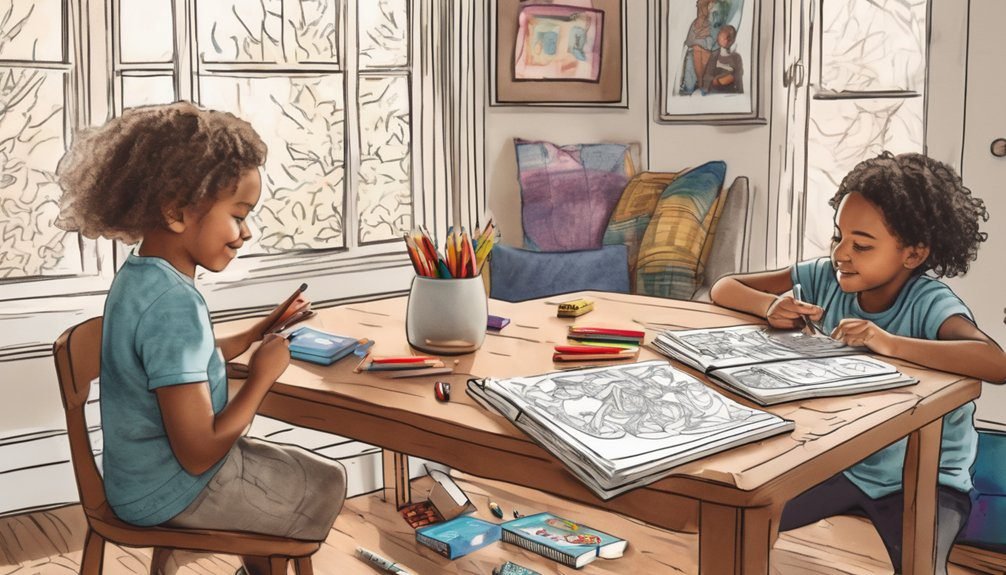
Coloring books also offer a calm, low-stakes break from screens. When you hand your child crayons, you invite focus without alerts, autoplay, or blue light. Research on coloring benefits shows it can slow busy thoughts and support attention control, while creative expression gives your child a safe way to show feelings.
| Screen time | Coloring time | Benefit |
|---|---|---|
| Fast-paced | Self-paced | Better regulation |
| Passive | Active | More engagement |
| No touch | Hands-on | Fine-motor practice |
| Overstimulating | Soothing | Calm reset |
You can use this pause to reconnect, breathe, and notice your child’s choices. That small shift often helps them return to the day feeling steadier, more present, and more confident.
How to Choose the Best Coloring Books for Kids
Choosing the right coloring book can make screen-free time more engaging and developmentally useful. Look for books that match your child’s age, skill, and interests, because fit matters more than flash.
- Choose coloring themes and character favorites your child already loves.
- Check artistic styles: bold outlines help beginners, while detailed pages suit older kids.
- Seek educational content, interactive elements, cultural diversity, special editions, and seasonal designs that spark curiosity.
You’ll also want sturdy paper and safe materials so crayons don’t bleed through.
When you pick books with thoughtful variety, you support fine motor growth, visual attention, and confidence. The best choice feels inviting, not overwhelming, and it gives your child room to explore at their own pace.
Fun Ways to Use Coloring Books at Home
You can turn coloring books into more than quiet busywork by using them in short, purposeful ways at home.
Try themed coloring after reading time, then invite story integration by asking your child to retell the plot through colors. Set out art supplies for DIY coloring pages, and let them mix crayons, markers, or colored pencils to strengthen grip and planning.
Use seasonal designs for holiday routines, or pair educational themes with letters, numbers, or animals to support learning through repetition.
Coloring also works well for group activities, like siblings creating one shared page and taking turns.
When your child feels restless, guide simple mindfulness techniques: breathe, notice colors, and color slowly.
These small rituals can build focus, confidence, and calm.
Coloring Books for Different Ages and Interests
As children grow, coloring books can match their changing abilities, attention spans, and interests. You can choose age appropriate designs that fit fine-motor skills, from bold shapes for toddlers to detailed pages for older kids. Themed collections help you connect coloring to what they love, like animals, space, or sports, while character favorites can motivate reluctant artists.
- Try seasonal motifs to spark conversation about holidays and nature.
- Pick educational themes that reinforce letters, numbers, or science facts.
- Look for interactive elements, such as hidden pictures or simple prompts, to support focus and problem-solving.
When you follow your child’s cues, you’ll offer just-right challenge, build confidence, and keep coloring feeling personal, playful, and rewarding.
Why Coloring Books Make Better Screen-Free Time?
Coloring books can make screen-free time feel easier to manage because they give kids a clear, low-pressure activity that still supports creativity, focus, and fine-motor practice.
You also get a simple way to guide a digital detox without battles over tablets or TV. Unlike fast-moving apps, coloring lets your child slow down, make choices, and stay engaged at their own pace.
Those coloring benefits matter because they build patience, attention, and hand control while keeping stress low. You can sit nearby, talk, or color too, which turns quiet time into connection time.
When you choose books with familiar themes, you help your child feel capable, calm, and interested, so screen-free moments feel less like restriction and more like a welcome break.
Frequently Asked Questions
What Type of Paper Works Best for Coloring Books?
Uncoated, slightly textured heavyweight paper works best; you’ll notice it handles markers, crayons, and colored pencils without bleeding. Your paper preferences may vary, but this choice supports coloring techniques and keeps pages sturdy, inviting, and smooth.
Are Digital Coloring Apps as Beneficial as Paper Books?
Not quite; you’ll often find paper books more nurturing. Digital coloring apps can support digital engagement, but they can’t fully match the tactile sensory experience, fine-motor practice, and calming focus that you and kids often benefit from.
How Can Parents Store Finished Coloring Pages?
You can store finished pages in color storage solutions like binders, portfolios, or labeled folders, and you can also create creative displays on walls or fridge doors; this helps preserve artwork and supports pride, memory, and organization.
What Colors or Tools Are Safest for Toddlers?
You’ll want non toxic markers and washable crayons for toddlers; they’re safest, easiest to grip, and simple to clean. Choose large, sturdy tools and avoid small parts, glitter, or permanent inks to reduce choking and irritation.
Can Coloring Books Help During Travel or Waiting Rooms?
Yes—coloring books can help during travel or waiting rooms; all work and no play isn’t ideal. You’ll give kids calming travel activities and waiting games that support focus, fine motor skills, and patience.
Conclusion
When you choose coloring books, you give your child a simple, effective screen-free activity that supports growth and calm. For example, a 6-year-old who spends 15 minutes coloring before dinner may settle more easily and stay focused longer during homework. You’re helping build fine motor skills, patience, and creativity all at once. Best of all, you’re creating quiet, meaningful moments that don’t depend on a screen and still feel fun.