
Coloring is like a magic portal that transforms preschoolers into imaginative wizards. As they pick up crayons and bring blank pages to life, they’re not just filling in shapes; they’re crafting entire worlds filled with stories and characters. This simple activity holds the key to unlocking their creativity and cognitive growth. So, how exactly does this colorful pastime nurture their imaginative skills? Let’s explore the fascinating connections.
Key Takeaways
- Coloring stimulates creativity by allowing preschoolers to explore unique perspectives and personal interpretations of art.
- Engaging with different colors and tools encourages experimentation, enhancing imaginative expression and artistic exploration.
- Open-ended coloring activities prompt critical thinking, inspiring children to make creative choices and solve artistic challenges.
- Art fosters storytelling, enabling preschoolers to create narratives and expand their vocabulary through imaginative scenarios.
- Celebrating children’s coloring efforts reinforces their confidence, motivating them to explore their creativity further and think outside the box.
The Connection Between Coloring and Cognitive Development
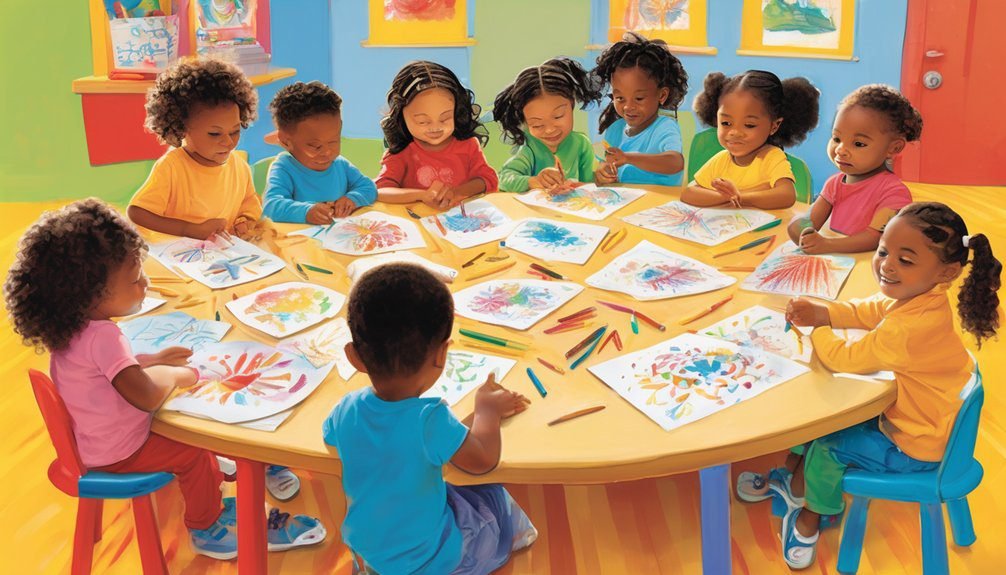
As preschoolers pick up crayons and fill in blank pages, they’re not just having fun; they’re also enhancing their cognitive development. When you encourage them to color, you’re fostering their ability to think critically and solve problems. Each choice they make—selecting colors or deciding how to fill a shape—stimulates their decision-making skills.
This process helps them learn about cause and effect, as they see how different colors interact on paper. Additionally, coloring can spark storytelling, making them connect images with narratives. By expressing their thoughts and ideas through art, they develop their vocabulary and communication skills.
Ultimately, these colorful creations serve as a foundation for later learning, paving the way for a more complex understanding of the world around them.

Enhancing Fine Motor Skills Through Coloring
Coloring not only sparks creativity but also plays a significant role in enhancing fine motor skills in preschoolers. When your child holds a crayon, they’re practicing grip and control, which strengthens their hand muscles.
As they color within the lines, they’re developing precision and coordination. This process requires focus and hand-eye coordination, skills essential for tasks like writing and buttoning clothes in the future.
You’ll notice how different coloring tools, from markers to colored pencils, challenge their dexterity in varied ways. Encouraging your child to experiment with different techniques, such as shading or blending colors, can further refine these skills.
Ultimately, through coloring, your child isn’t just having fun; they’re building a foundation for essential motor skills that’ll benefit them in everyday activities.
Encouraging Emotional Expression and Self-Regulation
When children express themselves through coloring, they tap into a powerful tool for emotional exploration and self-regulation. As they choose colors and fill in spaces, they learn to articulate feelings like joy, anger, or sadness. This creative process helps them manage their emotions and understand their reactions.
| Emotion | Color |
|---|---|
| Happiness | Bright Yellow |
| Anger | Fiery Red |
| Sadness | Deep Blue |
| Calmness | Soft Green |
Fostering Creativity and Originality in Artistic Expression
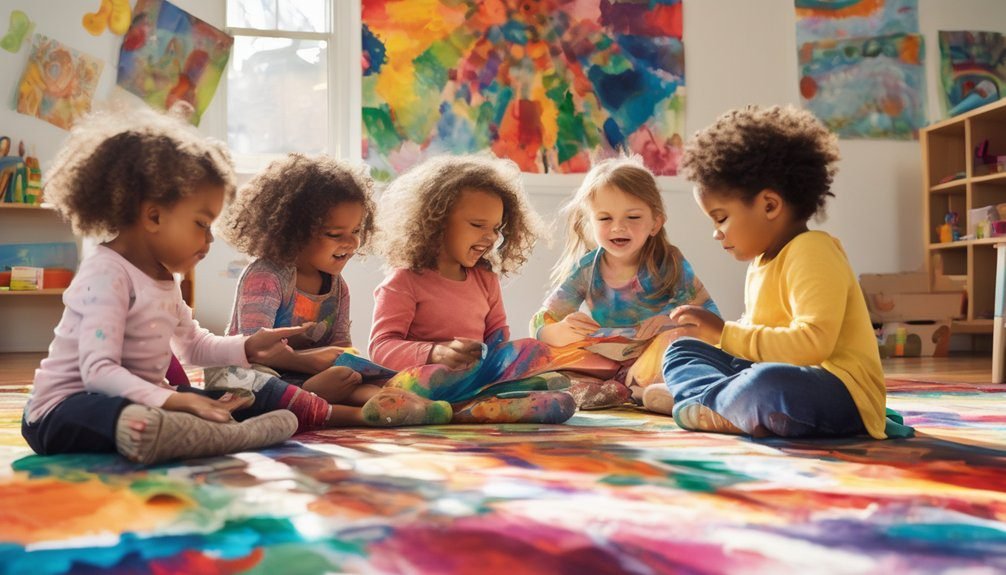
Fostering creativity and originality in artistic expression is essential for preschoolers, as it allows them to explore their unique perspectives. When you encourage your child to color freely, they begin to understand that there’s no single “right” way to create. This freedom helps them develop confidence in their choices.
You can provide a variety of materials—crayons, markers, paints—so they can experiment with different techniques and styles. Ask open-ended questions about their artwork to stimulate their imagination and critical thinking. Celebrate their efforts, regardless of the outcome, to reinforce that the process is just as valuable as the final product.
Exploring Colors and Their Meanings
Understanding colors and their meanings can enrich a preschooler’s creative experience, as each hue carries its own emotional significance. When you introduce your child to colors, you’re not just teaching them to identify shades; you’re helping them explore feelings.
For instance, red often symbolizes passion or excitement, while blue can evoke calmness or sadness. Encouraging your child to select colors based on how they feel fosters emotional intelligence. You might say, “What color makes you happy?” This approach sparks conversations about emotions and personal expression.
As they color, they’ll start to associate colors with their moods, enhancing their imaginative play. By exploring colors and their meanings, you’re nurturing a deeper connection between art and feelings in your child’s developing mind.
Developing Problem-Solving Skills With Art
As you engage your preschooler in art activities, you’re not just encouraging creativity; you’re also helping them develop essential problem-solving skills.
When your child faces a blank canvas, they learn to make choices about colors, shapes, and materials. They might encounter challenges, like how to blend colors or fix a mistake, prompting them to think critically and find solutions.
Encouraging them to experiment with different techniques fosters resilience, as they learn that not every attempt will be perfect. As they navigate these artistic hurdles, they gain confidence in their ability to tackle problems.
Building Confidence and a Sense of Accomplishment
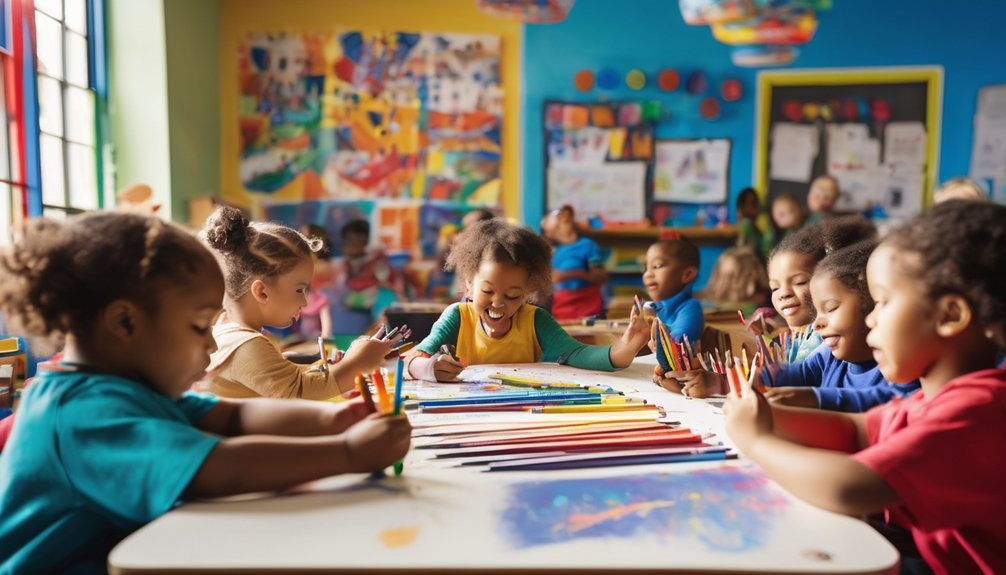
Confidence blooms in preschoolers when they engage in art activities that allow them to express themselves freely. When you hand your child a coloring book and crayons, you’re giving them a canvas to explore their creativity.
Each stroke they make is an opportunity to showcase their unique ideas. As they choose colors and create shapes, they feel a sense of ownership over their work. Completing a coloring page provides a tangible accomplishment, boosting their self-esteem.
You’ll notice their pride as they show off their creations, reinforcing their belief in their abilities. The more they color, the more confident they become, embracing the idea that their imagination is valuable and worthy of expression.
This newfound confidence lays the foundation for future creative endeavors.
Cultivating Storytelling Abilities Through Visual Art
Often, preschoolers weave intricate stories while coloring, transforming simple images into vivid narratives. As they apply colors, they narrate tales about the characters, settings, and adventures, enhancing their storytelling skills. This creative process allows them to express emotions and ideas, enriching their imagination.
| Element | Role in Storytelling | Example |
|---|---|---|
| Character | Central figure of the tale | A brave knight |
| Setting | Where the story unfolds | A magical forest |
| Plot | Sequence of events | A quest to find a treasure |
Frequently Asked Questions
What Types of Coloring Materials Are Best for Preschoolers?
Crayons, washable markers, and colored pencils are best for preschoolers. They’re easy to grip, non-toxic, and encourage creativity. You might also consider large sheets of paper for more freedom to express their ideas!
How Often Should Preschoolers Engage in Coloring Activities?
You should encourage preschoolers to color several times a week. Daily sessions, even if brief, stimulate creativity and fine motor skills, keeping their interest alive and making coloring a fun, engaging part of their routine.
Can Coloring Help With Social Skills in Preschoolers?
Sure, because nothing screams social skills like scribbling outside the lines! Seriously though, coloring encourages sharing, cooperation, and communication among preschoolers as they bond over their vibrant masterpieces, learning to express themselves together.
Are There Specific Coloring Techniques to Enhance Creativity?
Yes, you can enhance creativity by using techniques like blending colors, experimenting with different tools, and incorporating patterns. Encourage layering and encourage your child to think outside the lines for a more imaginative experience.
How Can Parents Support Coloring Activities at Home?
You can support coloring activities at home by providing diverse materials, encouraging free expression, and joining in the fun. Create a dedicated space for coloring, and celebrate your child’s creations to boost their confidence and imagination.
Conclusion
In conclusion, coloring isn’t just a simple pastime; it’s a powerful tool that sparks imagination in preschoolers like fireworks lighting up the night sky. By engaging in this vibrant activity, kids enhance their cognitive skills, express emotions, and cultivate creativity. As they experiment with colors and stories, they build confidence and problem-solving abilities. So, let your little ones grab those crayons and unleash their inner artists, for each stroke of color opens a world of endless possibilities!