
When you think about mindfulness, coloring might not be the first thing that comes to mind. Yet, this simple activity can ground you in the present moment, helping to quiet overwhelming thoughts. As you focus on selecting colors and making strokes, your mind can find a soothing rhythm. But what exactly happens in your brain during this process? Understanding the science behind it can reveal deeper benefits that extend beyond just relaxation.
Key Takeaways
- Coloring shifts teens into a calm state, effectively reducing stress and anxiety during challenging times.
- Engaging in coloring promotes focus on the present moment, helping teens escape distractions.
- The repetitive motion of coloring encourages a meditative state, fostering relaxation and easing tension.
- Choosing colors and patterns allows teens to explore and express their feelings creatively.
- Completing a coloring page boosts self-esteem and provides a sense of accomplishment, enhancing overall mental well-being.
The Science Behind Mindfulness and Coloring
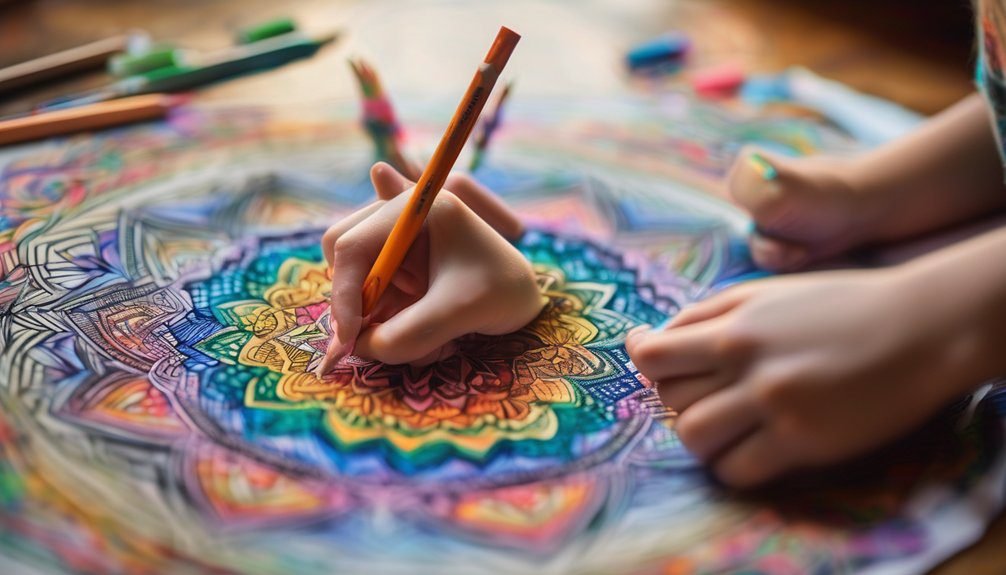
Coloring isn’t just a fun pastime; it’s also a powerful tool for mindfulness. When you engage in coloring, your brain shifts into a calm state, reducing stress and anxiety. This creative process encourages you to focus on the present moment, helping you escape from daily distractions.
Research shows that coloring activates the areas of your brain responsible for fine motor skills and creativity, promoting relaxation. As you choose colors and fill in shapes, you find a rhythm that soothes your mind. This meditative practice allows you to express emotions without words, tapping into your inner thoughts.
Ultimately, coloring becomes a simple yet effective way to enhance your mental well-being, making it easier for you to navigate life’s challenges.
Enhancing Focus and Concentration
Engaging in coloring not only promotes relaxation but also sharpens your focus and concentration. When you immerse yourself in this creative activity, you’re training your brain to hone in on details.

Here are some ways coloring enhances your focus:
- Mindful engagement: You concentrate on colors and patterns, keeping distractions at bay.
- Visual stimulation: Choosing colors stimulates your visual senses, creating mental engagement.
- Repetitive motions: The repetitive action of coloring can help you stay anchored in the moment.
- Goal-oriented task: Completing a coloring page gives you a tangible goal, boosting your concentration.
- Cognitive exercise: It challenges your brain, enhancing your ability to focus for longer periods.
Coloring is a simple yet effective way to improve your mental clarity and focus.
Reducing Stress and Anxiety
While you mightn’t think of coloring as a stress-relief technique, it can effectively calm your mind and reduce anxiety. Engaging in this simple activity allows you to focus on the present moment, diverting your attention from overwhelming thoughts.
As you select colors and fill in patterns, your mind enters a meditative state, promoting relaxation. The repetitive motion of coloring can also lower your heart rate and ease tension in your body.
Plus, the act of creating something visually pleasing gives you a sense of accomplishment, boosting your mood. By incorporating coloring into your routine, you’re not just unleashing your creativity; you’re also providing yourself with a powerful tool to manage stress and cultivate mindfulness in your daily life.
Promoting Self-Expression and Creativity
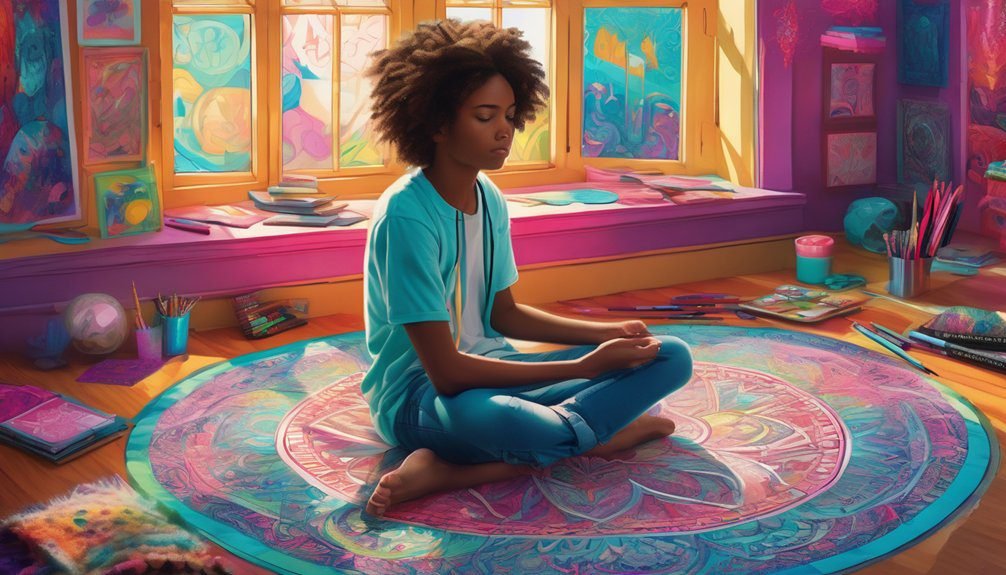
When you pick up a coloring book and let your imagination run wild, you open the door to self-expression and creativity.
Coloring isn’t just about filling in spaces; it’s a way for you to explore your feelings and thoughts. It allows you to make choices that reflect who you are.
Here are some ways coloring promotes self-expression:
- Choose your colors: Pick shades that resonate with your mood.
- Create unique patterns: Doodle or blend colors to make your own designs.
- Share your art: Show friends or family what you’ve created.
- Experiment with styles: Try different coloring techniques to find your voice.
- Reflect on your work: Think about what your choices say about you.
Embrace this creative outlet!
Developing Fine Motor Skills
Coloring not only sparks your creativity but also helps develop fine motor skills essential for everyday tasks. As you grip the coloring tools, you’re strengthening the small muscles in your hands and fingers.
This practice enhances your hand-eye coordination, making it easier to perform activities like writing, typing, or even buttoning your shirt. Each stroke requires precision, which translates into better control over your movements.
You’ll notice improvements in your dexterity as you navigate intricate designs and stay within the lines. Engaging in coloring regularly can boost your confidence in handling various tasks, making you more adept in both creative and functional activities.
Creating a Sense of Accomplishment
Completing a coloring page can give you an incredible sense of accomplishment. As you fill in each section with color, you create something uniquely yours, boosting your self-esteem.
Here are a few reasons why finishing a coloring page feels rewarding:
- You set a goal and achieved it.
- Each colored section reflects your creativity.
- You can track your progress visually.
- It provides a break from daily stressors.
- You gain a tangible piece of art to admire.
This satisfaction can brighten your mood and motivate you to tackle other challenges, reinforcing the idea that you can achieve what you set your mind to.
Building Emotional Awareness

Emotional awareness is a powerful tool that can help you navigate your feelings and reactions more effectively.
When you engage in coloring, you create a space to explore your emotions without judgment. As you choose colors and fill in shapes, you might notice feelings bubbling up.
This process encourages you to pause and reflect on what you’re experiencing.
Fostering Social Connections
Engaging in creative activities like coloring not only enhances your emotional awareness but can also strengthen your social connections.
When you color with friends or family, you create a shared experience that fosters bonding. Here are some ways coloring can help you connect socially:
- Encourages collaboration: Work together on a coloring project, sharing ideas and techniques.
- Sparks conversations: Discuss your color choices, favorite themes, or memories associated with certain colors.
- Builds trust: Open up while coloring, creating a comfortable environment for sharing personal thoughts.
- Promotes mindfulness in groups: Engage in a mindful coloring session, focusing on the moment together.
- Creates lasting memories: Share your completed works, capturing moments of creativity and laughter.
Coloring can truly be a bridge to deeper connections!
Integrating Coloring Into Daily Routines
While you might think of coloring as just a fun pastime, integrating it into your daily routine can significantly enhance your mindfulness and overall well-being.
Try setting aside just ten minutes each day, whether in the morning or before bed, to color. You can keep a small coloring book and set of pencils handy, making it easy to grab whenever you need a break.
Use this time to focus on your breathing, letting the colors flow as you immerse yourself in the present moment. You might also consider pairing coloring with other activities, like listening to calming music or practicing gratitude.
Frequently Asked Questions
Can Coloring Be Beneficial for Younger Children as Well?
Yes, coloring can be beneficial for younger children too. It fosters creativity, improves fine motor skills, and helps them express emotions. Engaging in coloring activities allows kids to relax and develop focus in a fun way.
What Types of Coloring Materials Are Best?
You’ll find that colored pencils, markers, and gel pens work best. Each offers unique textures and vibrancy, letting you express yourself creatively. Experiment with different materials until you discover what feels most enjoyable for you.
How Often Should Teens Engage in Coloring?
You should encourage teens to color several times a week. It’s a great way to relax and express creativity. Even dedicating just 15-30 minutes can make a noticeable difference in their mood and focus.
Are There Specific Coloring Techniques That Enhance Mindfulness?
Imagine your thoughts swirling like autumn leaves. To enhance mindfulness, try techniques like mandalas or color gradients. These methods anchor your focus, letting you immerse yourself in the moment while transforming blank spaces into vibrant art.
Can Digital Coloring Apps Provide Similar Benefits?
Yes, digital coloring apps can provide similar benefits. They let you engage creatively, focus your mind, and reduce stress. Plus, their accessibility and variety make it easy for you to practice mindfulness anytime, anywhere.
Conclusion
Coloring isn’t just a fun pastime; it’s a powerful tool for mindfulness. Studies show that engaging in coloring can reduce anxiety levels by up to 60%, helping you feel calmer and more centered. By incorporating this simple activity into your daily routine, you can enhance your focus, unleash your creativity, and develop emotional awareness. So grab those colored pencils, take a moment for yourself, and let the soothing rhythm of coloring guide you toward greater well-being.