
You know screen-free coloring isn’t just a quiet backup plan—it can help your child build focus, fine motor skills, and calm in a natural way. It also gives you a simple chance to connect without devices getting in the way. When you choose the right coloring activities, you’ll see how easily they fit into home routines, travel, and those in-between moments that can be harder to manage than they look.
Key Takeaways
- Screen-free coloring builds focus, fine motor skills, and hand-eye coordination without adding more screen time.
- It helps children calm down and regulate emotions through a quiet, soothing activity.
- Coloring encourages creativity as kids choose colors, themes, and personal details.
- It works well at home or on the go because it is low-mess and easy to set up.
- Parents enjoy the shared, screen-free time because it creates connection and confidence.
Benefits of Screen-Free Coloring for Kids

Coloring pages can do more than keep kids busy—they give children a calm, hands-on way to build focus, practice fine motor skills, and express creativity without the fast pace of a screen.
You can use this simple activity to support attention span, hand-eye coordination, and emotional regulation in a natural way. As your child shades inside lines, they strengthen the small muscles that support writing and cutting, while also gaining a creativity boost through color choices and personal expression.
Screen-free coloring also creates quiet moments that help you connect, slow down, and encourage confidence. Because it’s low-pressure and familiar, your child can enjoy success without feeling judged.

That makes coloring a gentle, effective way to nurture motor skills and calm engagement.
Easy Coloring Ideas to Keep Kids Engaged
You can keep coloring fresh and engaging by mixing simple themes, playful challenges, and easy variations that match your child’s age and interests. Choose coloring themes like animals, space, vehicles, food, and seasons. Rotate creative supplies such as crayons, markers, colored pencils, and chunky pastels.
| Idea | Why it works |
|---|---|
| Animals | Familiar and comforting |
| Space | Sparks curiosity |
| Vehicles | Appeals to action lovers |
| Food | Feels playful |
| Seasons | Connects to daily life |
You can also offer pages with big shapes for younger kids and more detail for older ones. Keep choices simple, and let your child pick the theme that feels right. That small bit of control helps them stay focused, relaxed, and happily involved.
How to Make Coloring More Fun
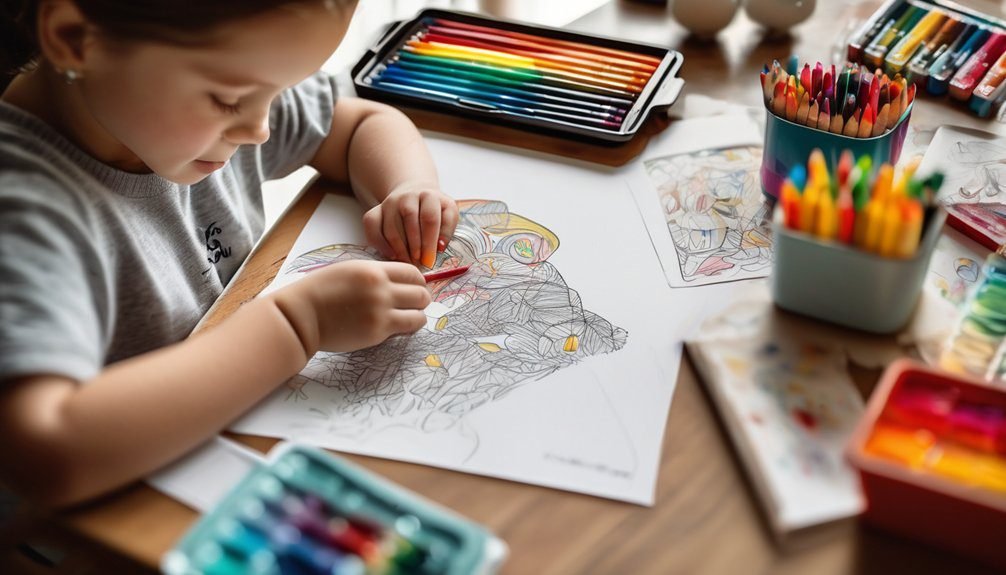
Turn coloring time into a mini adventure by adding small surprises that invite your child to stay curious. You can swap in creative materials like crayons, colored pencils, markers, or even chalk to change the feel of each page.
Try simple coloring techniques such as shading, blending, or outlining shapes with bold lines, and let your child experiment without pressure. Offer a theme, like rainbow animals or a favorite story scene, so each picture feels personal.
Ask open-ended questions about the colors they choose, which keeps your child engaged and thinking. You can also color beside them, because your calm presence makes the activity feel warm and shared.
Small choices, playful prompts, and gentle encouragement turn ordinary coloring into something memorable and fun.
When Coloring Works Best at Home and on the Go
At home, coloring works best when kids have a calm, easy-to-clean space with a small set of supplies within reach.
While on the go, it shines as a quiet, low-mess activity that fills waiting time without screens. You can use it to anchor coloring routines after breakfast, before dinner, or during a reset when everyone needs a gentle pause.
In the car, at restaurants, or in waiting rooms, a few travel supplies keep your child engaged without creating extra stress for you.
Coloring also fits well when you want connection: you sit nearby, notice their choices, and share a relaxed moment together.
Simple Tips for Screen-Free Coloring Time
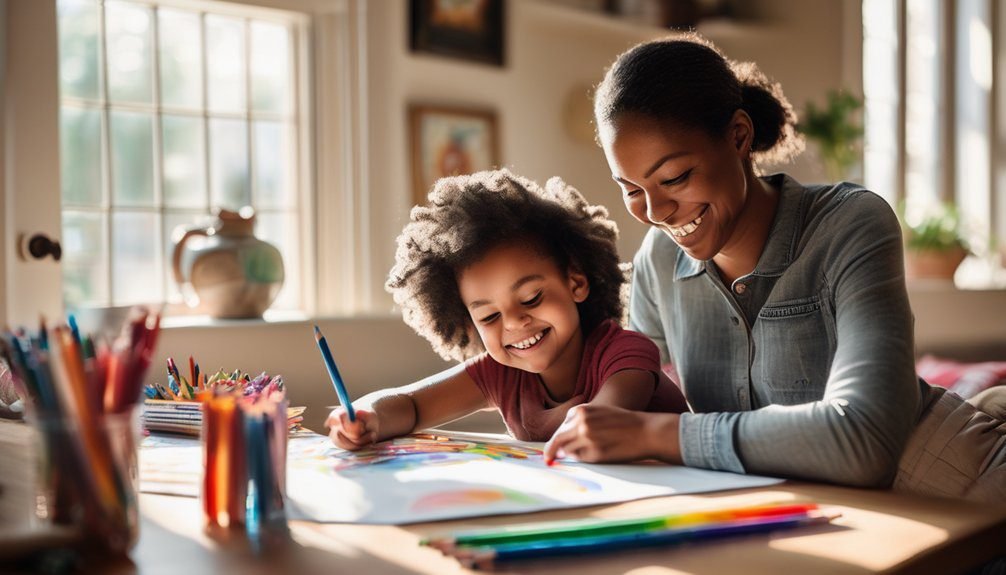
Simple screen-free coloring time works best when you keep it easy to start and easy to sustain. Set out a few trusted coloring tools within reach, so your child can begin without waiting for you to gather supplies.
Choose one calm spot, and use a timer if you need a clear stopping point. Offer creative prompts like “draw your favorite animal” or “color the weather today” to spark focus without pressure. Keep your tone warm and relaxed, because your child will mirror your energy.
Rotate paper, crayons, and markers occasionally to keep interest fresh. Most of all, let the session stay low-stakes. When you protect the moment from perfectionism, you create a small, comforting ritual your child can return to again and again.
Frequently Asked Questions
How Do I Choose Non-Toxic Coloring Supplies for Toddlers?
You should choose toddler coloring supplies labeled non-toxic, made with natural materials, and backed by safety certifications. Check for washable, fragrance-free formulas, avoid small parts, and trust brands that clearly list ingredients and testing.
What Age Is Best for Introducing Independent Coloring?
You can usually introduce independent coloring around age two to three, once you see developmental milestones like better grip and attention. You’ll support creative expression by offering short sessions, big crayons, and gentle encouragement.
How Can I Store Coloring Pages and Crayons Neatly?
Use coloring storage solutions like labeled bins, zip pouches, or a rolling cart. You can sort pages by theme and crayons by color. Try creative organization tips such as clipboards, folders, and clear containers for easy cleanup.
Are Coloring Books Reusable With Dry-Erase Markers?
Yes, you can often reuse coloring books with dry-erase markers, like a sketchbook with a magic eraser. You’ll want laminated or glossy pages; explore coloring book options and dry erase benefits for easier cleanup.
How Do I Encourage a Reluctant Child to Start Coloring?
You can start by offering simple coloring techniques and playful creative prompts, like “color the fastest animal” or “use only blues.” Sit nearby, praise small efforts, and let your child choose supplies and topics.
Conclusion
When you hand your child a few crayons and a blank page, you may notice something surprising: the quiet you both needed was there all along. Screen-free coloring gives kids a chance to focus, create, and calm down while you enjoy a simple, meaningful moment together. It’s easy to start, fun to repeat, and useful anywhere. So keep a coloring set nearby—you’ll likely reach for it right when your child needs it most.